

Findacure, now Beacon, was my metaphorical lighthouse in a stormy sea when I started advocating for people with Mal de Debarquement Syndrome (having MdDS embodies being in a stormy sea, when you’re not) in the UK.
I was in terrible shape, physically and mentally, when I contacted the team there and, through taking part in the peer mentoring scheme and other initiatives, they helped me rebuild my confidence so I could move forward more effectively. For me, the most valuable aspect of working with Beacon and other rare conditions organizations is knowing ‘what good looks like’ in terms of patient engagement and empowerment.
“With the knowledge about MdDS being incomplete and the treatments relatively new, it is still a challenge for people here to get diagnosed and then access expert care. Unfortunately, the UK lags far behind other countries in terms of research and there are still people throughout the world who claim that MdDS doesn’t exist.
Nonetheless, the awesome MdDS researchers have done amazing work, especially over the last decade. So I celebrate that, when I can, and work with them to facilitate further robust research.

On judging the Student Voice Prize Essay Competition
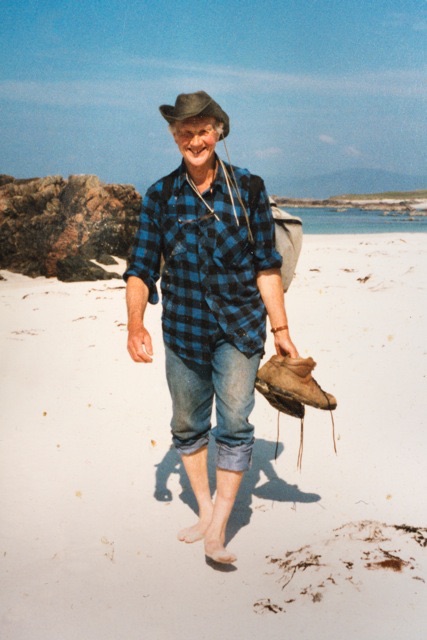
My late Dad, Dr John Earle MBE, was a GP for most of his working life and was also a medical journalist and broadcaster. The SVP had a special place in his heart.
He said ‘This is just what the doctor ordered and it will amplify patient voices’.
He was delighted that I was included on the judging panel, that the patient pairing scheme was so successful and with the quality of the questions and case studies on offer each year.
I wish he had been able to meet some of the winners and runners up, as I did.
Polly Moyer
Polly Moyer, person with familial MdDS (currently in remission) and health advocate