
Beyond the clinic: Navigating adulthood with PKU

Jun 25, 2026

Phenylketonuria (PKU) is often framed as a childhood condition—and treatment is key as the brain develops. But what happens when you grow up? When the safety net of paediatric care disappears, and you’re left to navigate adulthood with a rare, lifelong metabolic disorder?
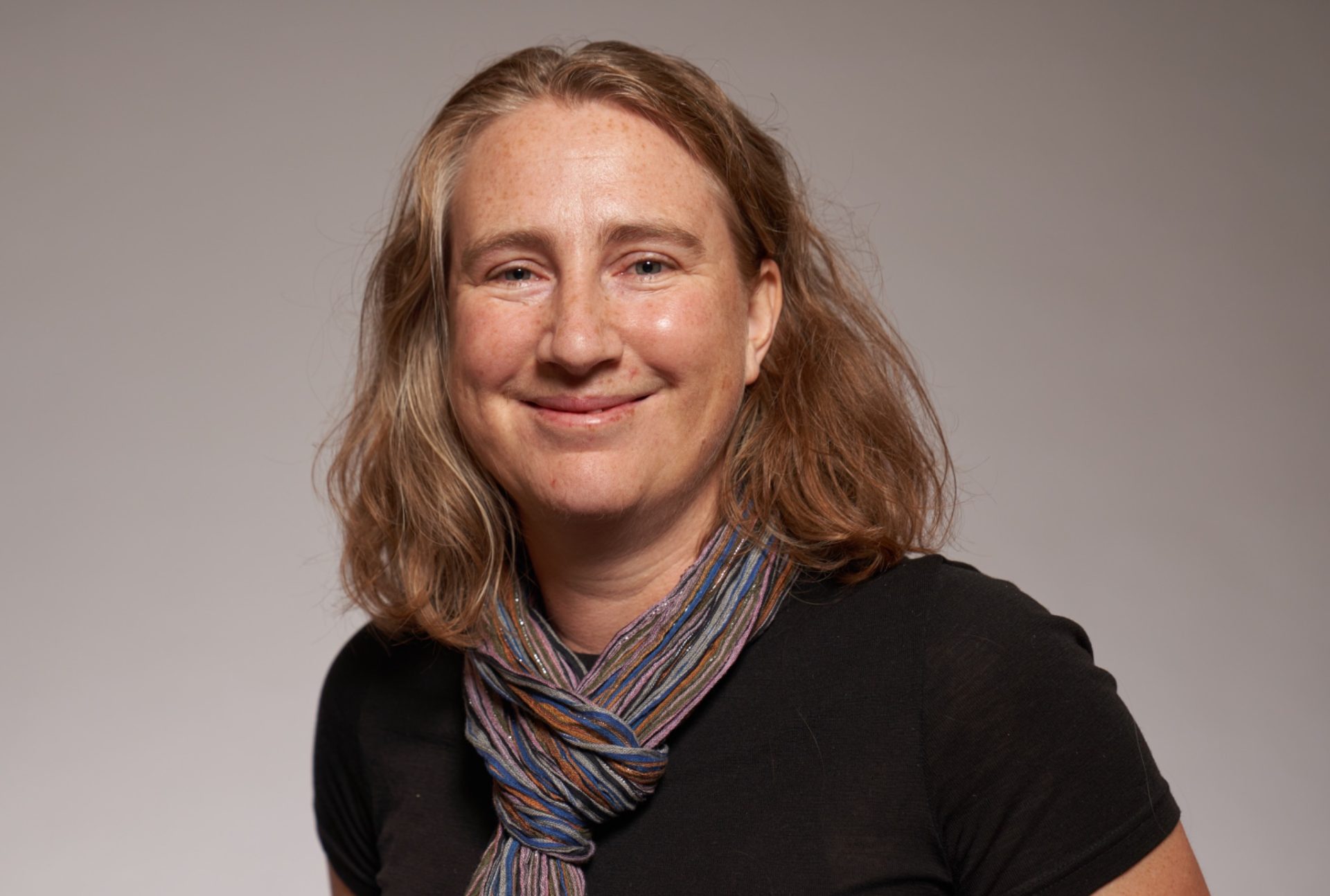
My name is Pauline O’Connor, and I’ve spent decades learning that PKU doesn’t end at 18. It evolves, challenges, and sometimes even reshapes who you are.
Pauline

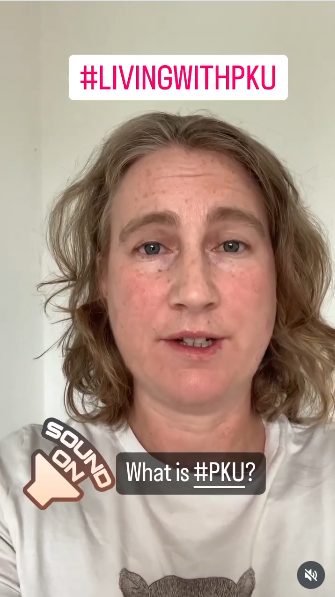
What is PKU?

Image of Pauline's Instagram video explaining PKU
Phenylketonuria (PKU) is a rare genetic disorder that affects the body’s ability to process phenylalanine, an amino acid found in protein. Without treatment, high levels of phenylalanine can cause intellectual disabilities, behavioural problems, and other serious health issues. The primary treatment for most with PKU is a strict, lifelong low-protein diet. By strict, I mean the complete elimination or strict measurement of 85% of foods.

And PKU isn’t alone. Many other metabolic disorders, such as Maple Syrup Urine Disease (MSUD), Homocystinuria (HCU), Tyrosinaemia (TYR), and Urea Cycle Disorders, also require restricted protein diets to manage symptoms and prevent complications. For all of us, food is both medicine and minefield.

Growing up with PKU: What changes (and what doesn’t)

As a child, my PKU was a family affair. My parents measured my protein, my clinic appointments were scheduled around school, and my identity as someone with PKU was still forming.

But adulthood brought a stark realisation: the world isn’t built for rare disease adults. Clinics are fewer, leaving home means help is less accessible, and the burden of self-management can feel isolating. The rituals of childhood, weighing food, logging intake, become daily acts of self-preservation, but now without the same support.

Yet, some things don’t change. The anxiety around food never really goes away. The fear of cognitive slip, of brain fog creeping in, is a constant companion. And the question “What if I get it wrong?” lingers, even as an adult.
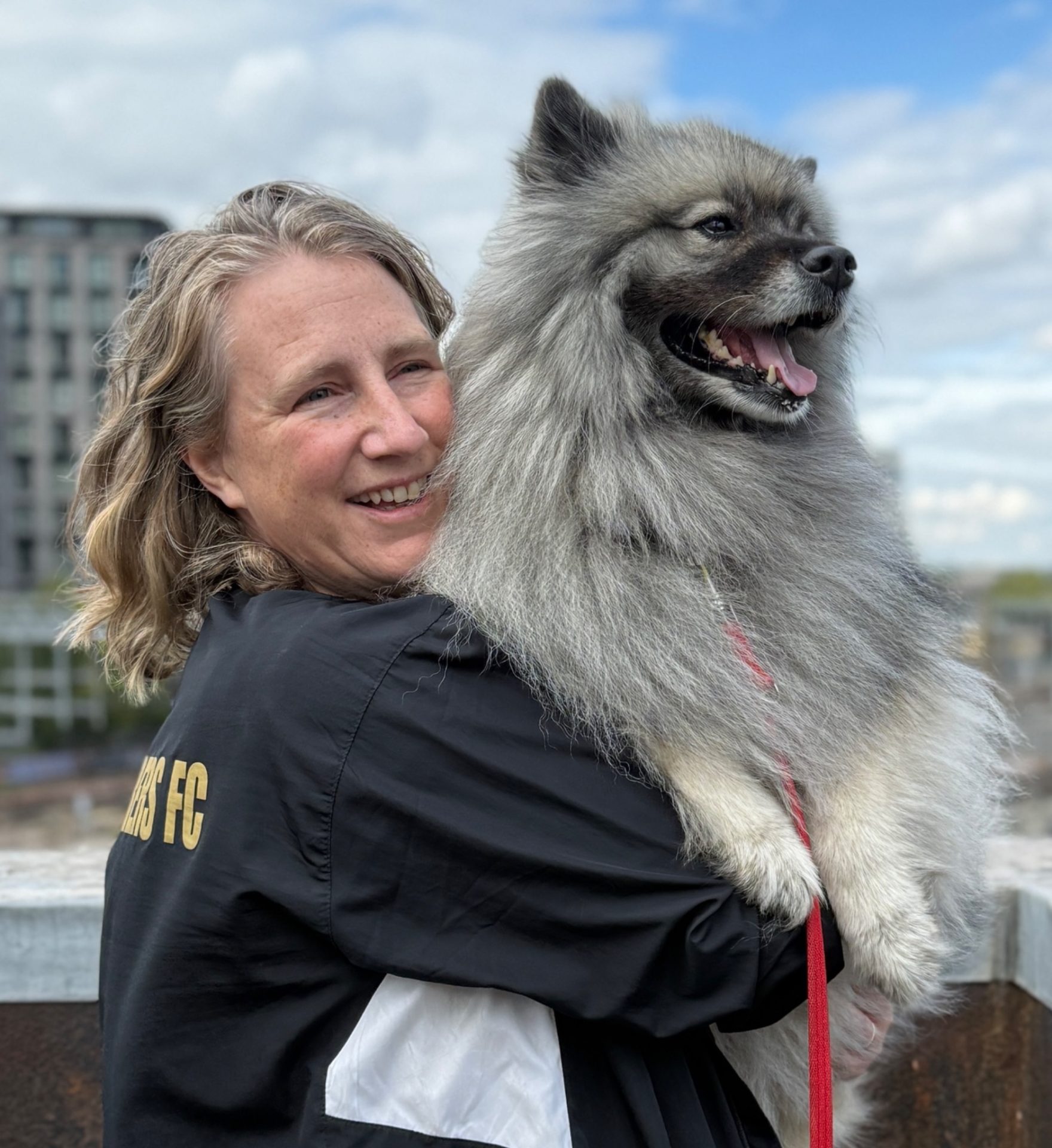
Pauline with her dog

The invisible load: Mental health and PKU

PKU isn’t just about protein and blood levels. It’s about the emotional labour of living with a condition that most people have never heard of. The guilt when you “cheat” on your diet. The frustration when healthcare professionals dismiss your concerns because you “look fine.” The exhaustion of explaining, again and again, why you can’t just eat the cake at a celebration.

For me, the mental health impact of PKU is always present. The constant vigilance, the fear of long-term damage, and the grief for a “normal” life can weigh heavily. But it’s also taught me resilience. I’ve learned to advocate for myself, to find community with others who understand, and to reframe my relationship with my body and my mind.

Finding your voice: Why patient stories matter

One of the most powerful tools in rare disease advocacy is storytelling. When we share our experiences, we challenge misconceptions, educate clinicians, and remind policymakers that behind every diagnosis is a human being. Patient voices are not just anecdotes. They’re the lived evidence that can shape research, improve care, and drive policy change.

I’ve found that the most meaningful conversations happen when we move beyond clinical jargon. When we talk about identity, about the fear of being a burden, about the joy of small victories. Like finding a new low-protein product or connecting with someone who truly gets it. These stories build bridges between patients, caregivers, and the wider world.
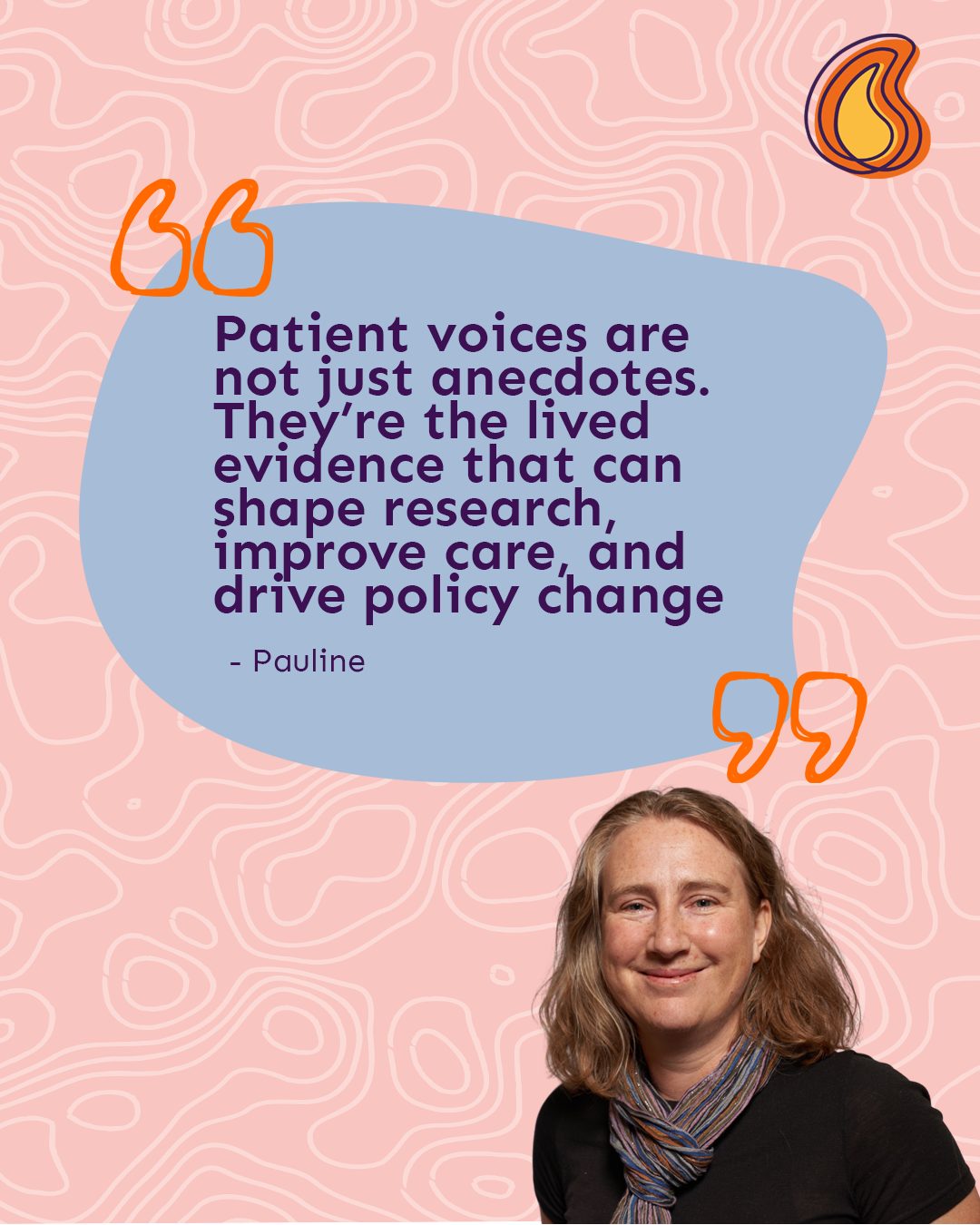
Pauline describing the importance of patient voices in a speech bubble

Writing the rare disease experience

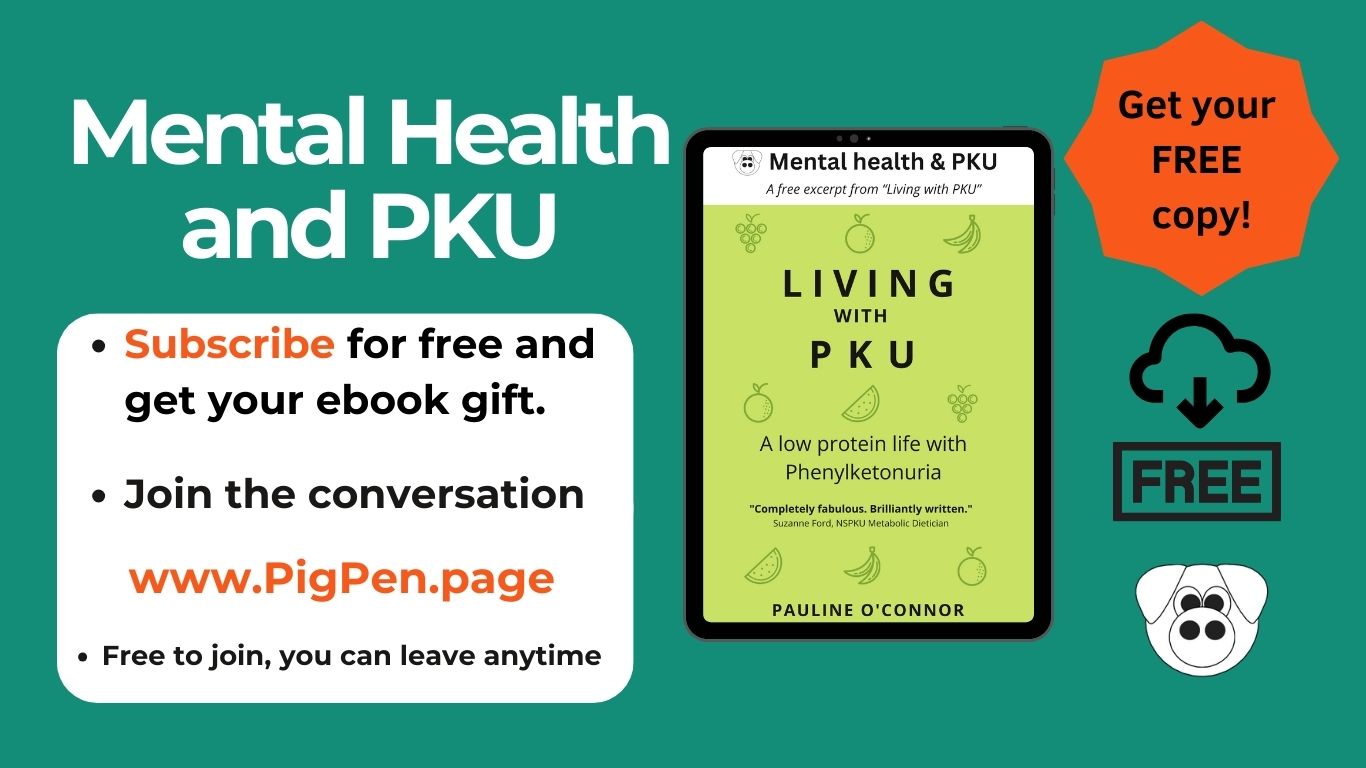
Mental Health and PKU ebook advertisement
Over the years, I’ve found that writing is one of the most powerful ways to process my journey and connect with others. In my books, I explore the complexities of adult life with PKU.

I discuss the practical challenges, and the emotional and psychological realities that so often go unspoken. From the identity shifts that come with a chronic condition, to the resilience required to navigate a world not built for our needs, my work aims to give voice to the experiences that don’t fit neatly into clinical boxes.

If you’re interested in diving deeper into the lived experience of PKU, you can find more about my writing and advocacy on my website, PigPen. Whether you’re living with PKU, supporting someone who is, or simply seeking to understand the rare disease experience, I hope my books offer both insight and solidarity.

Head over to my website to download a free guide to mental health and PKU.

Looking ahead: PKU in adulthood

The 28th of June is European PKU Day. As we approach this event, I hope we can shift the narrative:


  • Let’s talk about what it’s really like to live with PKU as an adult.
  • Let’s demand better transitions from paediatric to adult care.
  • Let’s push for mental health support that recognises the unique challenges of rare disease life.
  • And let’s keep telling our stories because every voice makes the chorus stronger.

Call to action

If you’re living with PKU, you’re not alone. Your experiences matter, and your voice deserves to be heard. Whether it’s through advocacy, writing, or simply sharing your story with a friend, you’re part of a community that’s fighting for better understanding and better care. This PKU Day, let’s make sure the world knows: rare doesn’t mean invisible.

Read more blogs