What could your group achieve with the right partner?
Collaboration can turn a funding bid that gets rejected into one that succeeds. It can turn an idea that never gets off the ground into a project that actually happens.
Working together means not having to start from scratch. It means drawing on what other groups already know, sharing resources and knowledge, and accessing a wider pool of researchers and expertise, at a time when resources are scarcer than ever.
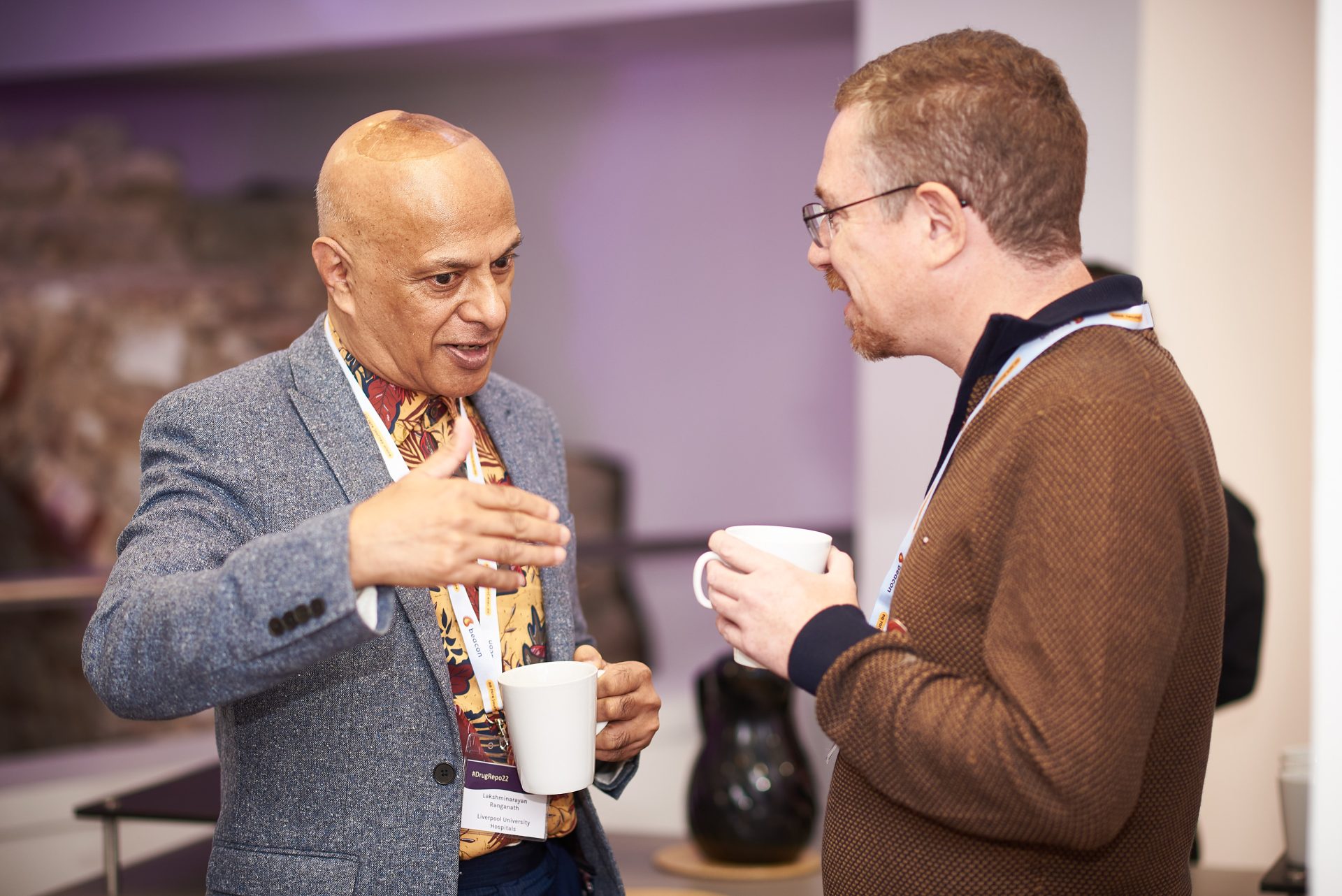
Collaboration doesn’t just help the groups involved, it can help shift funding and attention towards rare diseases as a whole, not just the conditions
represented at the table.
Why join the workshop
Collaboration isn’t always easy, especially when managing organisations of different sizes, conditions, priorities and ways of working. Past experience, uncertainty about how to start or not knowing how to manage a collaboration once it’s underway can hold organisations back from working together.
This workshop has been designed with these concerns in mind. Over the course of the day, you’ll hear directly from patient groups and researchers about their experiences of this topic, including the benefits and the challenges they faced.
You’ll leave with a clear understanding of the value of collaboration and how to put it into practice.
What to expect:
- A panel session with patient groups and researchers who have first-hand experience of research collaboration, discussing how it can drive progress, not just for individual conditions, but for the rare disease community as a whole.
- Real case studies from patient groups who’ve been involved in collaborations, sharing their learnings and successes, including a presentation from Toni Mathieson, Chair of the LSD Collaborative and speakers from Rett UK and Pitt-Hopkins UK.
- Interactive activities and peer discussion, giving you space to reflect on your own experiences and connect with other leaders in the room.
- A practical session on where to get started, led by expert facilitator Yasmin Glover from The Olive, covering how to find the right partner and put a basic collaboration agreement in place.
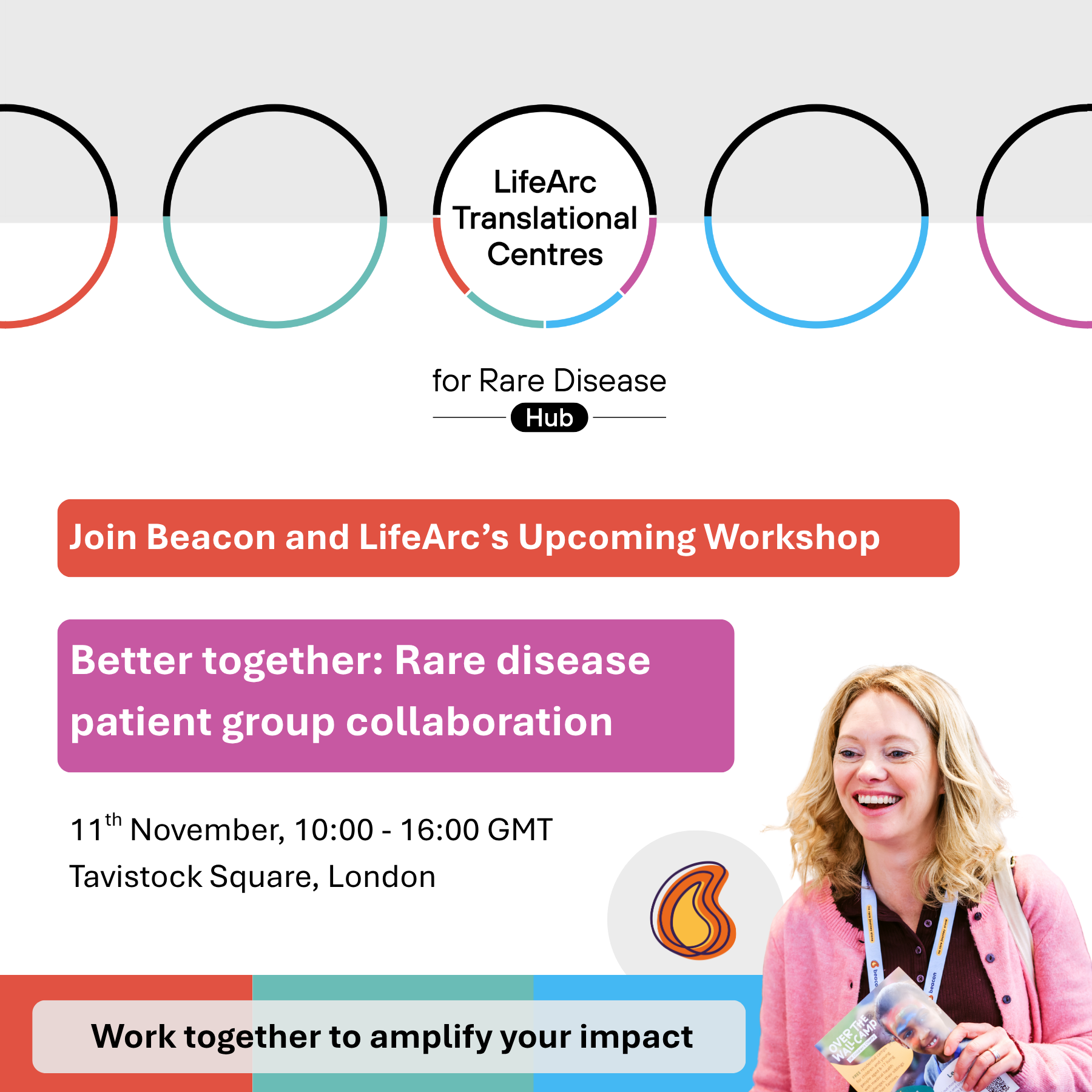
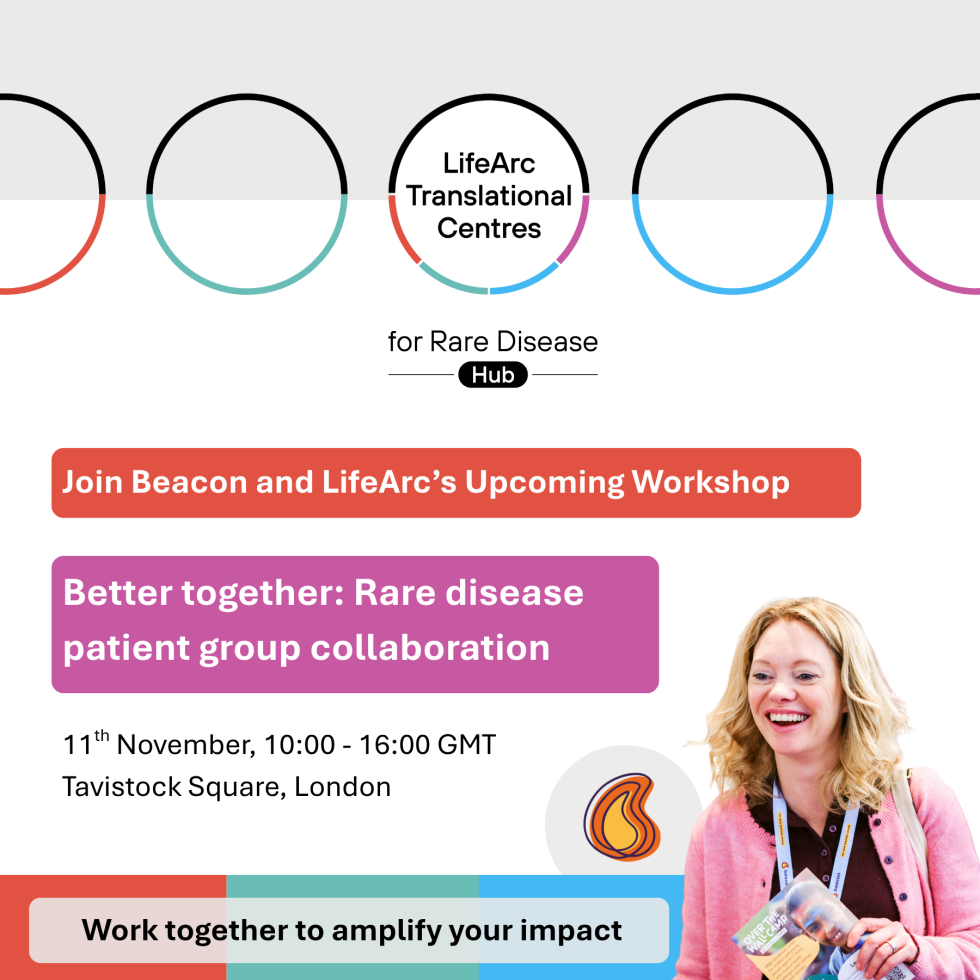
Beacon is delivering this workshop as part of The LifeArc-Translational Centres for Rare Disease Hub
The LifeArc Translational Centres for Rare Disease were created to bring together the rare disease ecosystem and help overcome barriers to developing tests and treatments.
The Cross-Centre Hub brings together the expertise of Beacon for Rare Diseases, Genetic Alliance UK and LifeArc to unite the LifeArc Translational Centres for Rare Disease.
Meet the speakers
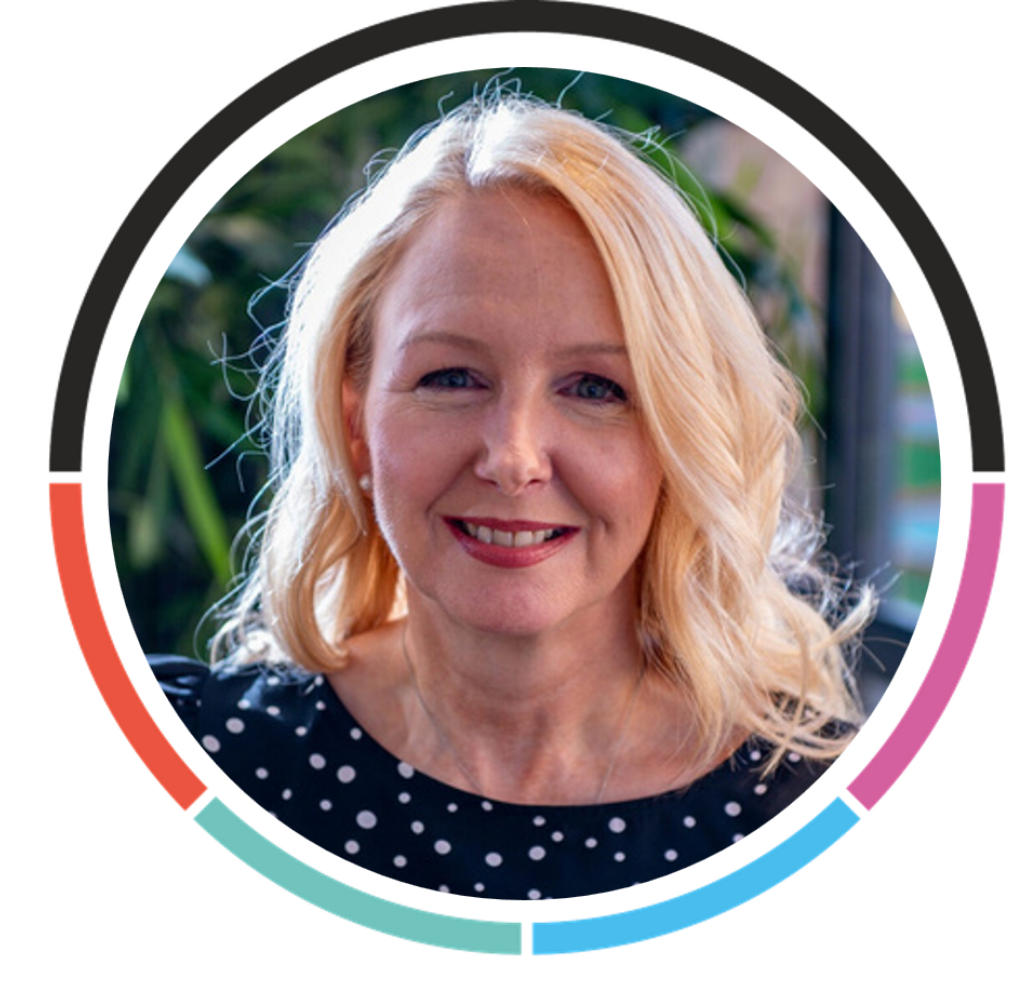
Toni Mathieson,
Chief Executive, Niemann-Pick
Chair, LSD Collaborative
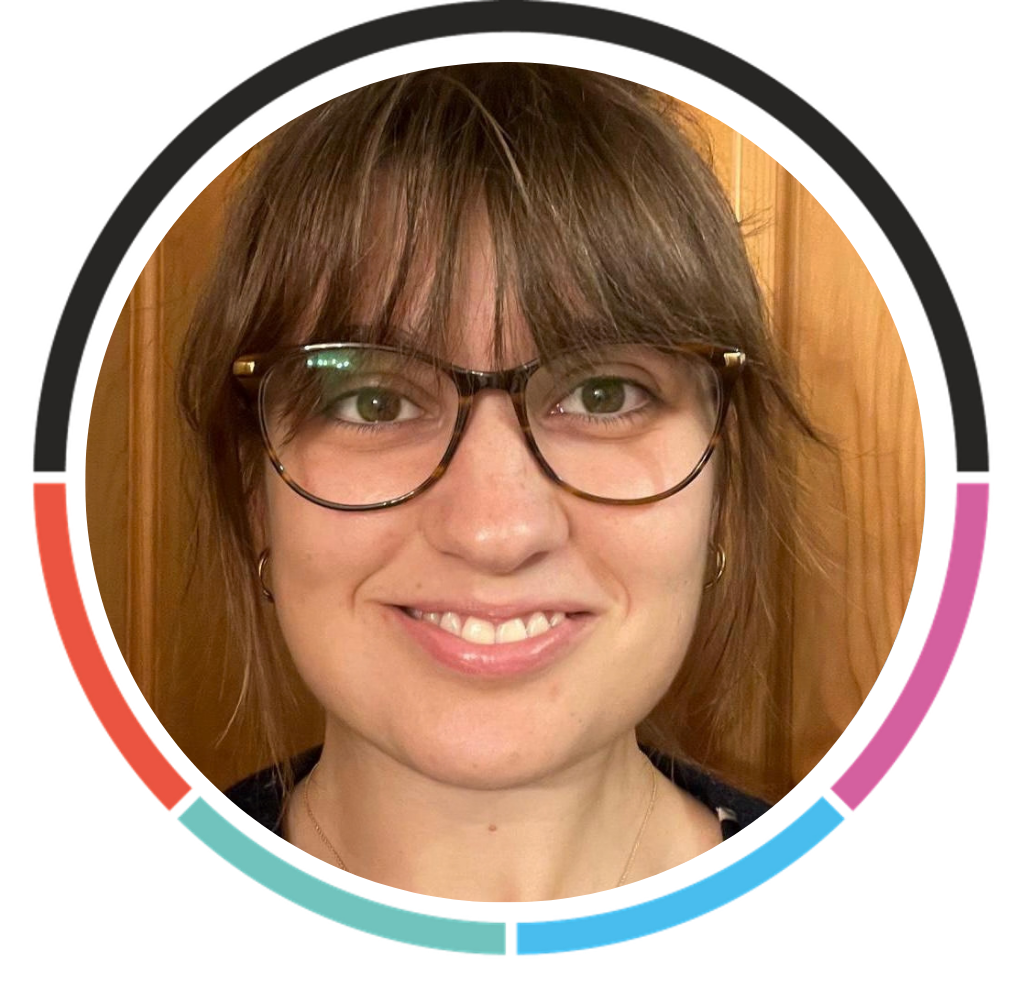
Yasmin Glover
Expert coach and facilitator, The Olive
More speaker announcements coming soon!
Frequently asked questions
Where is the workshop?
This workshop will be at The LifeArc Offices at Lynton House, 7-12 Tavistock Square, London WC1H 9LT.
How to get there:
Underground: Russell Square (6 minutes walk)
Underground and train:
- Euston (9 minutes walk)
- King’s Cross St Pancras (20 minutes walk)
Can I bring a carer with me?
Yes, any registered delegate is able to bring a carer with them to our training. If you’d like a carer to attend with you, please choose the free carer ticket in addition to your own during registration.
Is the venue accessible?
Yes, the venue is fully accessible.
If you have any accessibility requirements, please note these on your registration form so we can ensure your needs are met.
Do you cover travel expenses?
Unfortunately, we are not able to provide travel expenses for this event.
Will lunch be provided?
Lunch and refreshments will be provided throughout the day.
If you have dietary requirements, please let us know in the registration form.
Please note: the ticket window may take a few seconds to load.