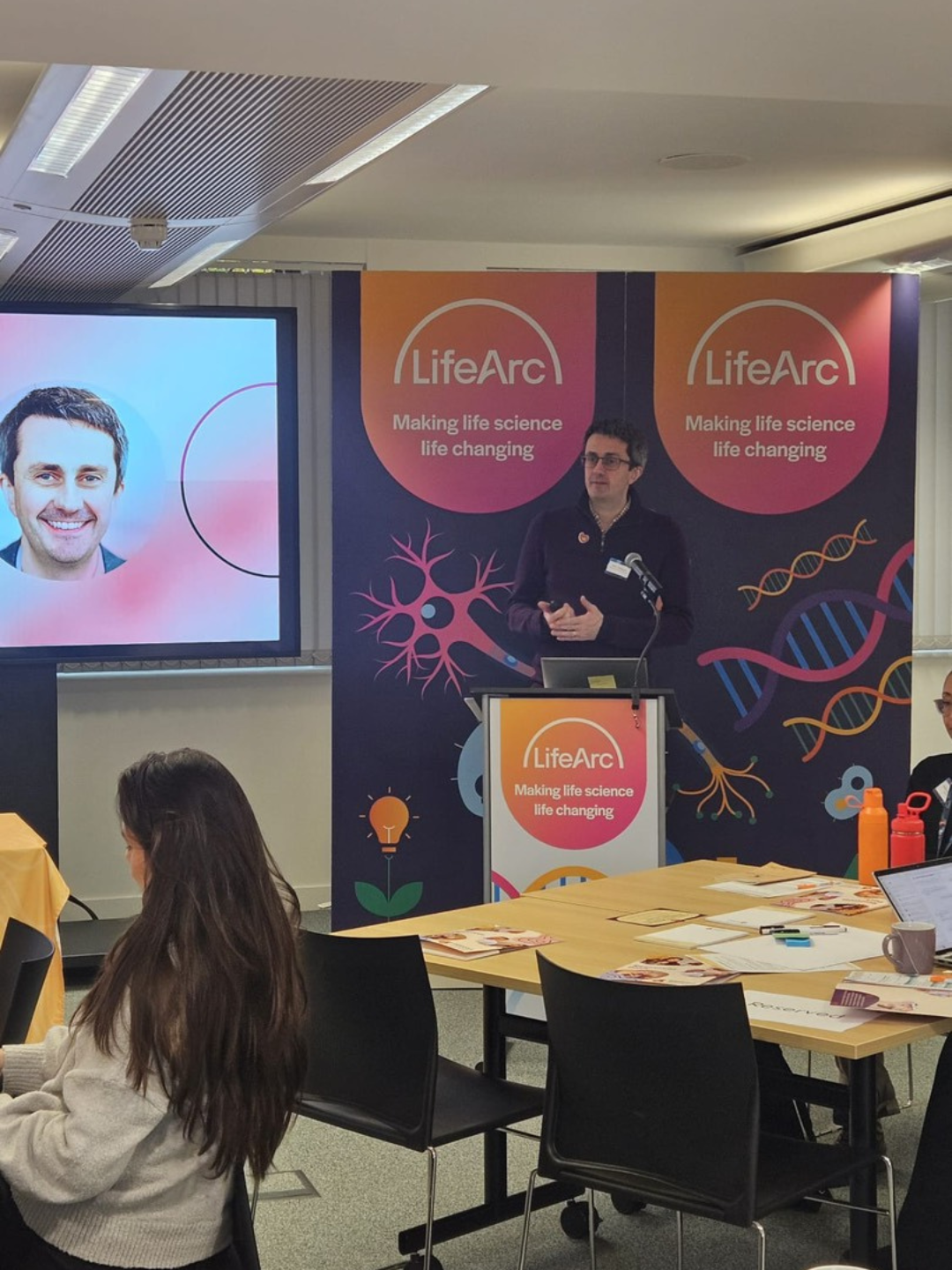
On the 11th November, LifeArc and Beacon teamed up to deliver our collaborations workshop.
As a member of the LifeArc Translational Centres for Rare Disease Hub, Beacon works alongside LifeArc through their leading rare disease research centres.
We caught up with Rick, Hannah and Maddie to hear what they took away from the day and why collaboration is so important for patient groups.
Rick Thompson – CEO
I’ve been thinking about collaborations between rare disease patient groups for a long time. Partly to support our own work at Beacon, but more importantly as a mechanism to support our mission, and the mission of most patient organisations – to improve the daily experience, care, and treatment options for people living with rare conditions.
It is fair to say that collaboration can be hard – it inherently involves compromise and good communication.
But in a space where resources are limited, and interest is low, working together can help scale operations, amplify voices, and increase impact. This couldn’t be more true in rare diseases, which was why I’ve been so keen to develop a workshop on collaboration, and I was so happy to spend the day in LifeArc talking about its importance.
While research is far from the only area in which patient groups should collaborate with one another, it is often the space where it is hardest to see the reason to do so. During the workshop I was really happy to lead a panel discussion that tried to highlight why patient groups should explore research collaborations.
There are three big points which I think are driving the rare research collaborative agenda:
1. Limited resources
With over 7,000 rare conditions, treating them all with their own therapy is beyond realistic. Instead, we need to find common underlying disease mechanisms and common symptoms which can allow single therapies to benefit multiple populations. Collaboration is vital to make this happen.
2. Cross disease research centres
In the last 5 years we have seen more and more cross-disease research centres being developed with the aim of connecting cross disease research expertise. Whether the LifeArc Translational Centres for rare disease, the European Reference Networks, or Rare Disease Research UK, all need a collaborative rare disease advocacy space to support the research network.
3. Innovative clinical trials
We are finally seeing clinical trial designs that can support cross disease working in the clinical trial space. This gives us the methodological tools to deliver multi-arm, multi condition clinical trials for rare diseases.
All of this means we are finally in place where a collaborative approach to rare disease research can really deliver for a much larger proportion of people living with rare diseases. As a patient group community, we must ensure that this delivers meaningful treatments for patients.
Beacon’s workshop “Better together” workshop was really designed to drive this sort of collaborations forward and encourage patient groups to ask not, “Should we collaborate?” but “Can we afford not to collaborate?”.
Our audience really bought into this message, and I can’t wait to see what collaborations are born from our event, and the exiting new landscape for rare diseases in the UK.
Hannah Harvey – Head of Patient Group Programmes
Here at Beacon, we believe that the community is stronger together. Patient groups working alone can find it hard to generate enough interest or access the resources they need to drive change. When groups join forces, their voice is amplified and their impact grows.
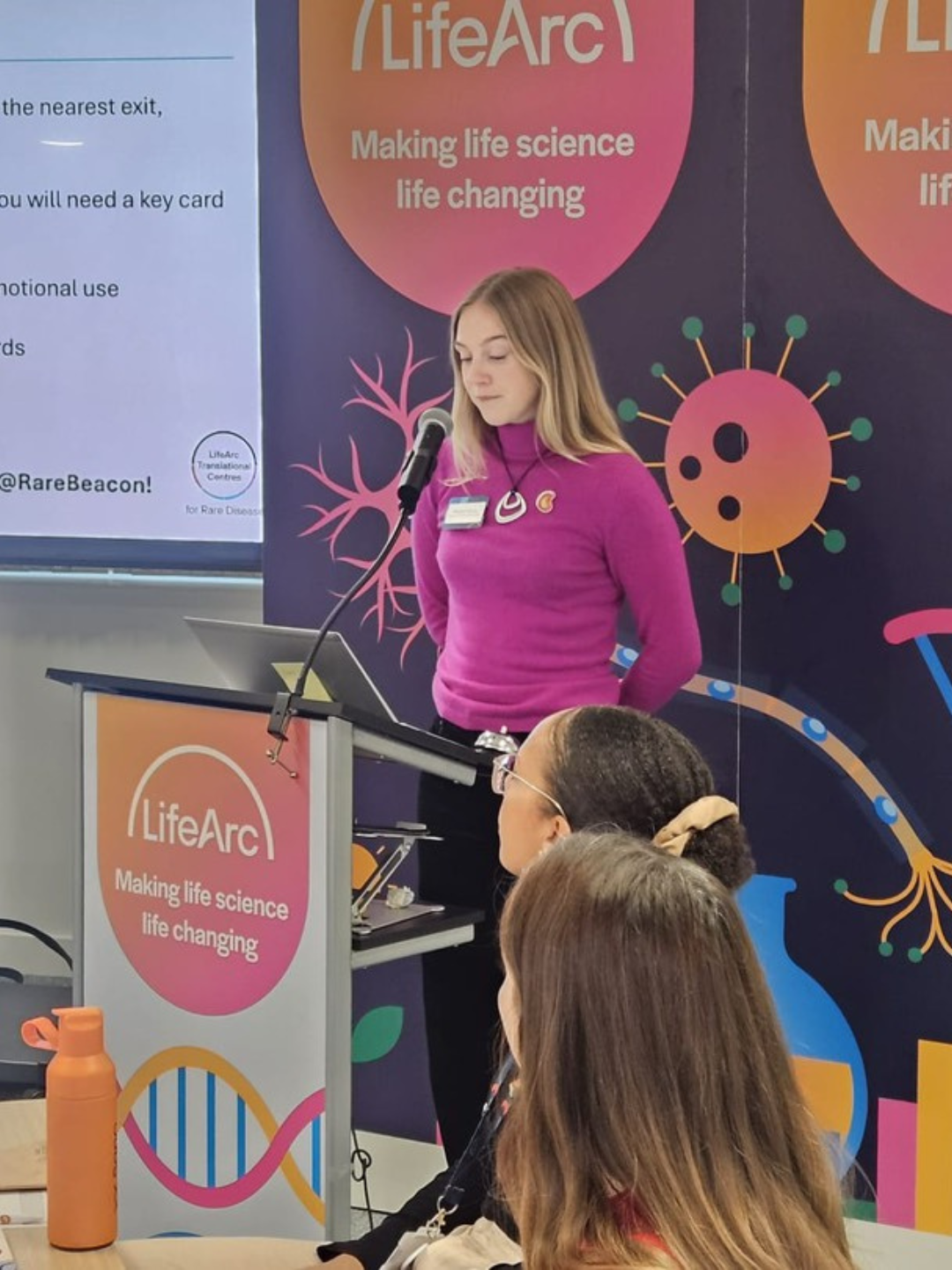
When patient groups think about collaboration, academic and industry partners often come to mind first. Our workshop focused instead on the power of patient groups working with each other, driving progress not just for one condition but for multiple.
These partnerships are not always easy, but when groups get it right, the potential is huge. The success stories we heard on the day from both large and small-scale partnerships showed just what is possible.
As in all Beacon events, (and especially since the topic was collaboration!) we encouraged peer connection and learning throughout the day.
Attendees were able to share the opportunities they see for collaboration but also the challenges and barriers.
From our discussions, it was clear that groups want to work together. What holds them back is limited capacity, competing priorities and different ways of working.
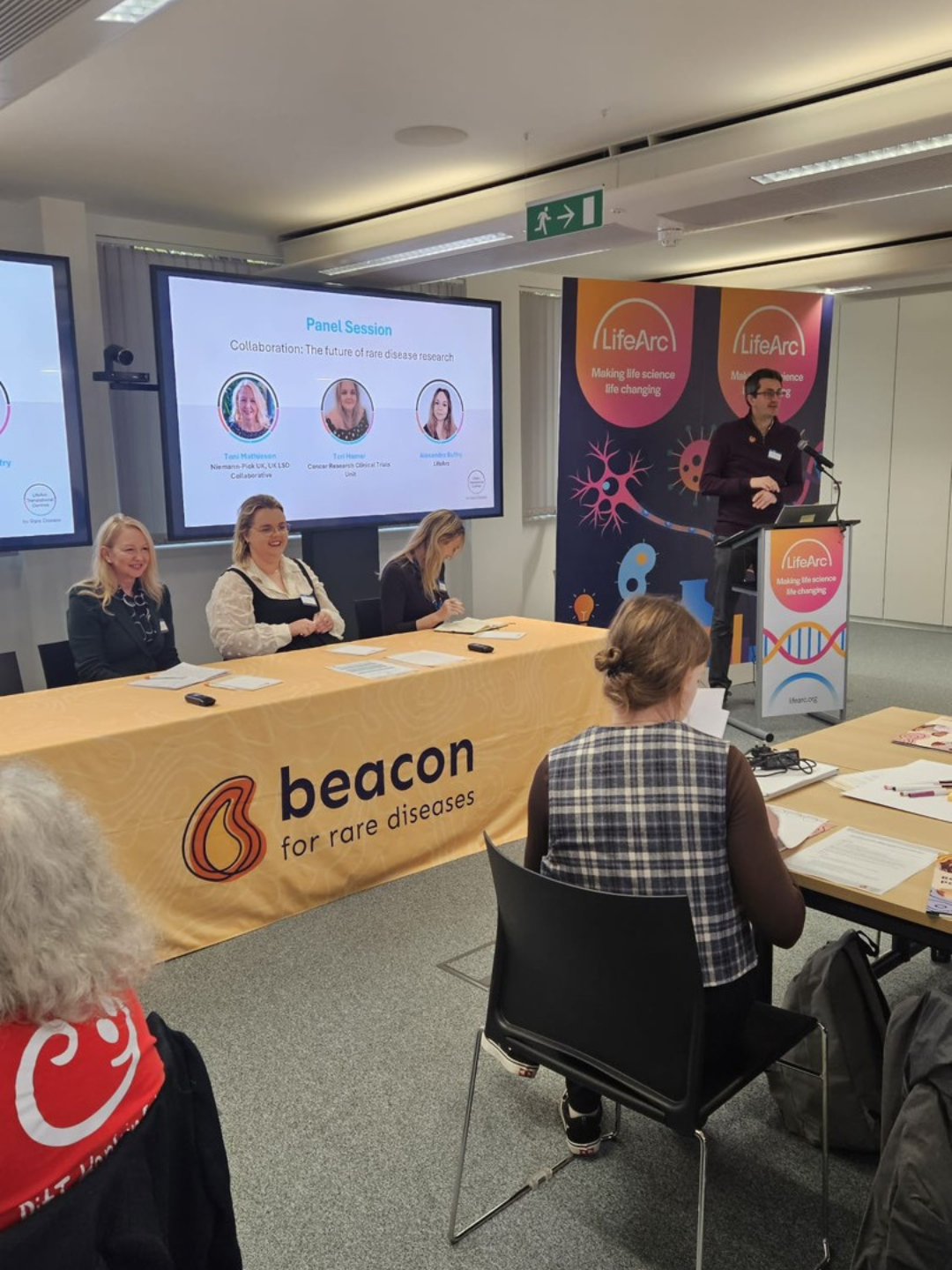
My key takeaway is that the will is there. To turn it into lasting partnerships, groups need good communication, aligned priorities and, where they differ in size or capacity, an equal voice for everyone.
We hope to see some great collaborations come out of the workshop!
Maddie Still – Senior Patient and Scientific Engagement Officer
I really enjoyed being part of the Patient Group Collaborations Workshop. It was great to see everyone making new contacts and sharing knowledge and ideas.
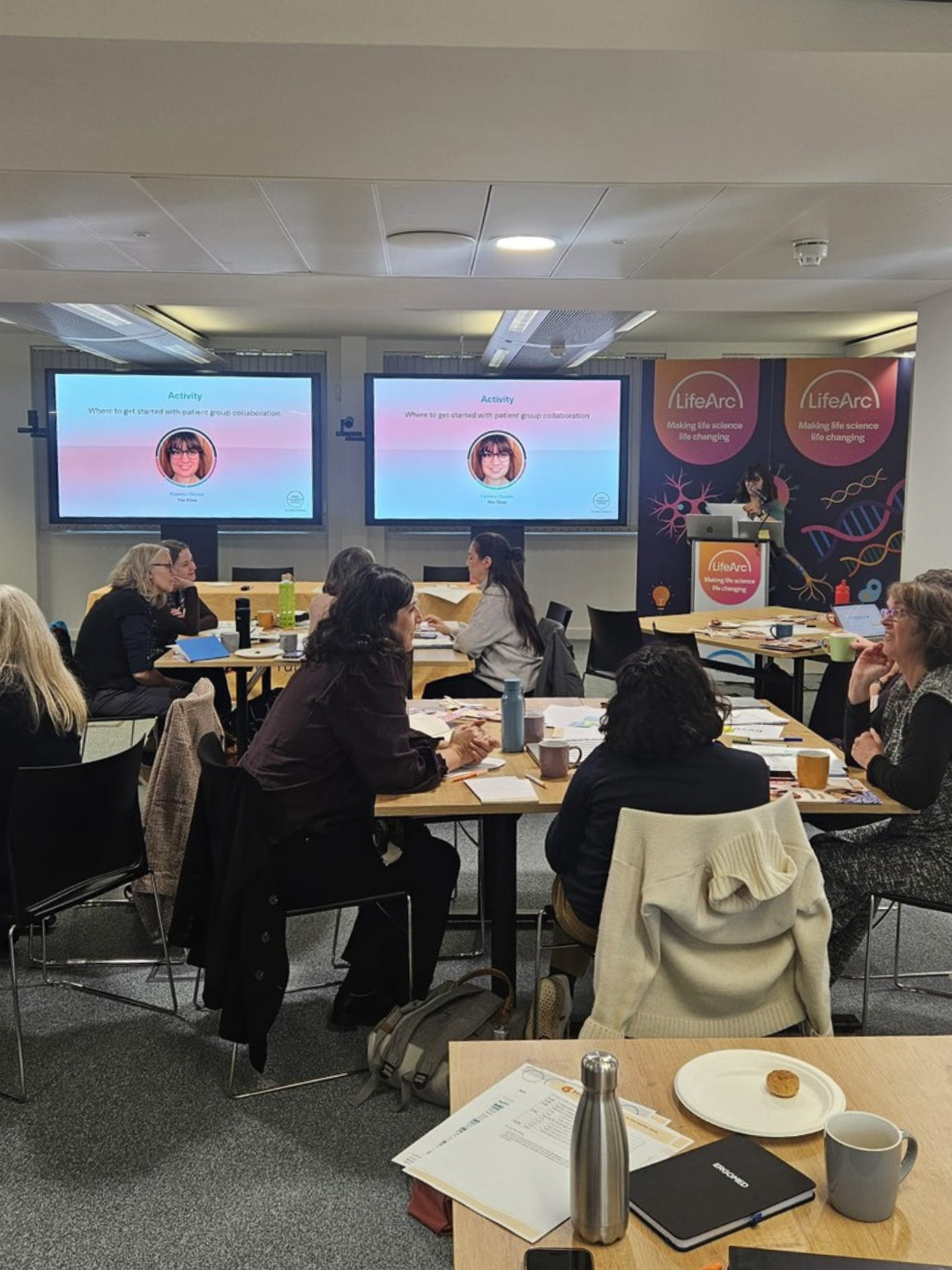
As part of Yasmin’s session in the afternoon, attendees were asked to consider what assets they have and what they could bring to a partnership or collaboration.
This part of the day was a real highlight for me as it was wonderful to see people realise that they have so much to offer as a patient group, including things they may not have seen as an asset before, and recognising the true value of their work.
Overall, I feel it was a really positive day, and I hope that we have played a part in forming some new connections between rare disease patient groups.
By working together, we will reach improvements for the rare disease community faster and more effectively.