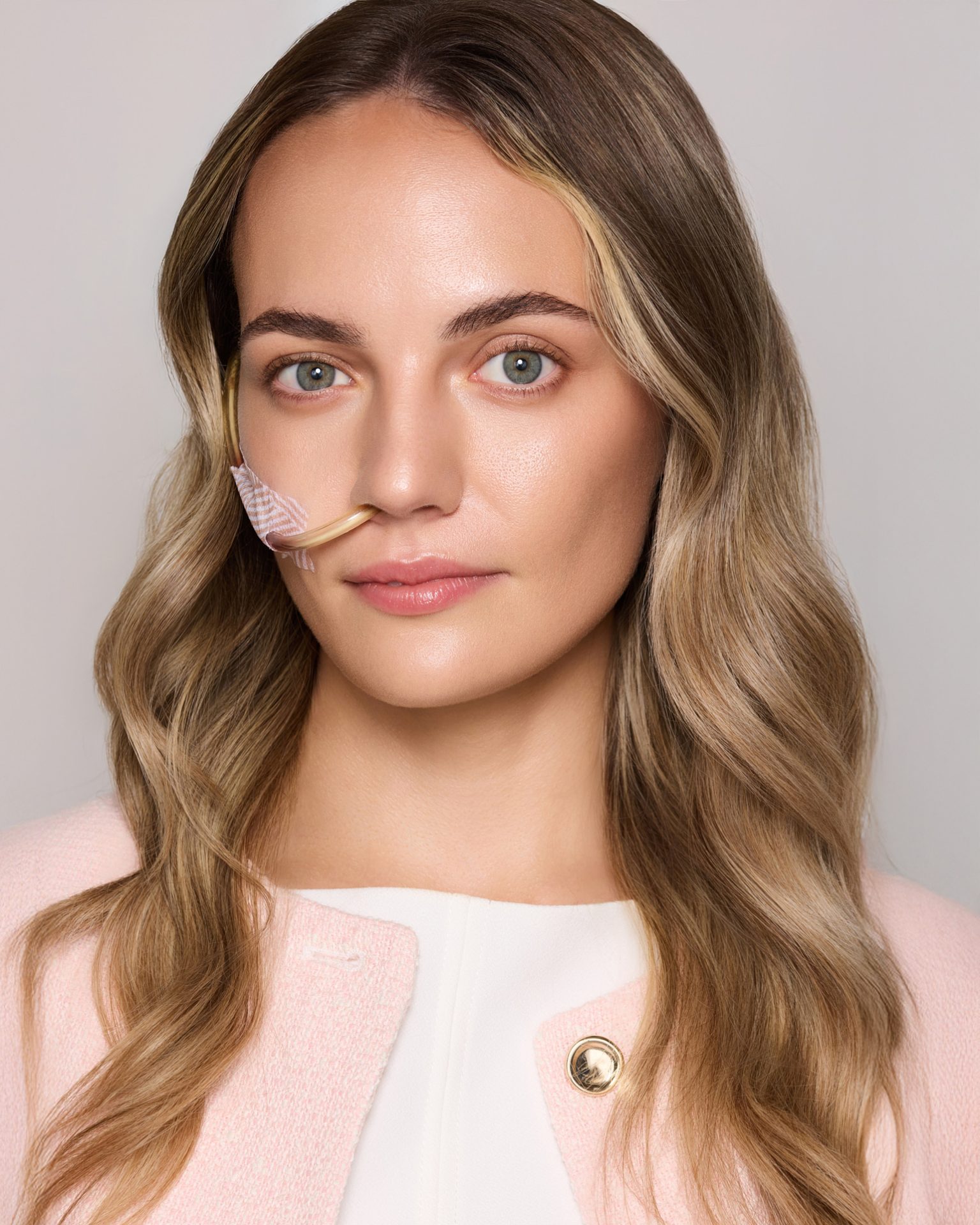

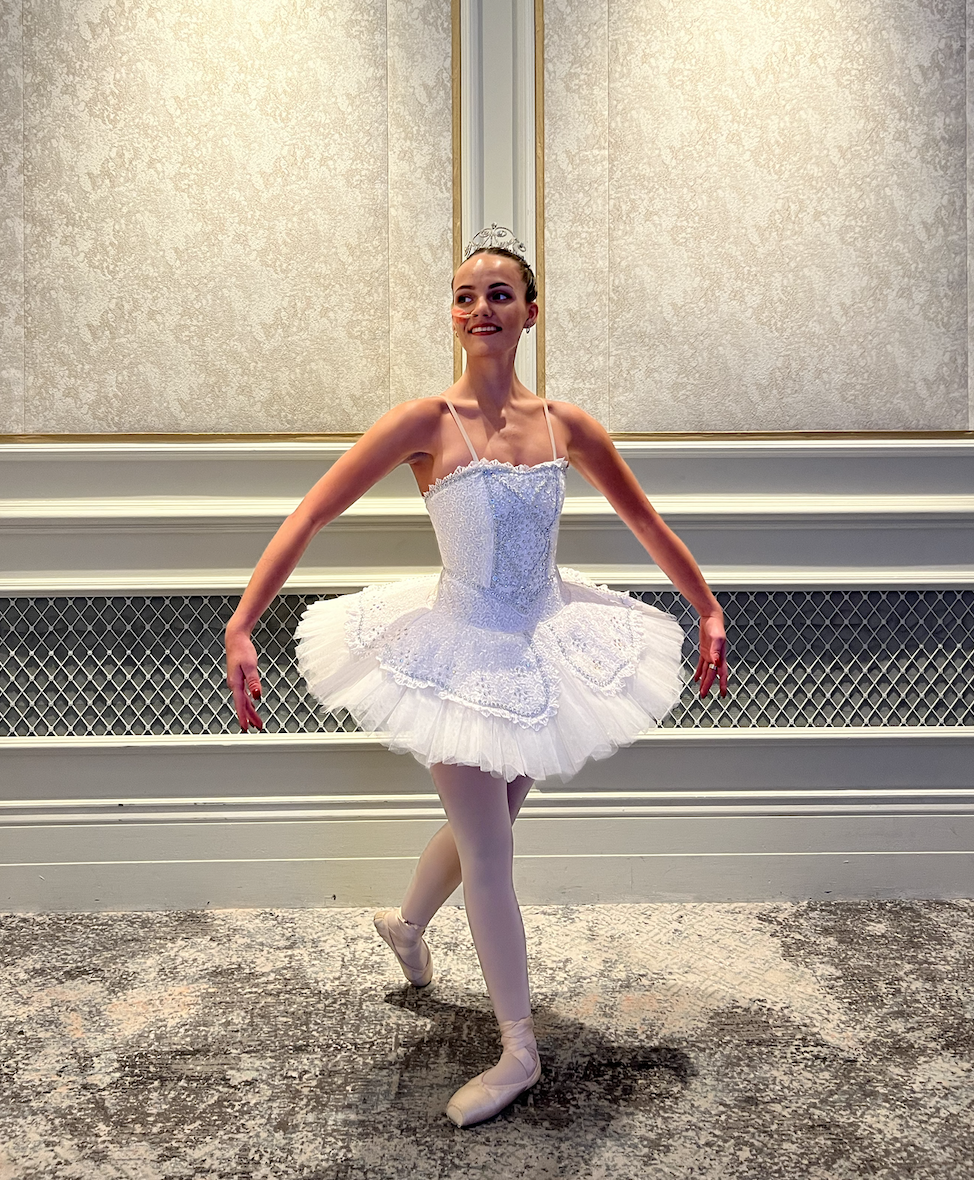
For most of my childhood and early adulthood, movement was my language. I trained as a dancer, spending hours in studios, rehearsing routines, and dreaming about a future built around creativity and performance. Dance was not just something I did. It was who I was.
Then, slowly at first and then all at once, my body began to change.
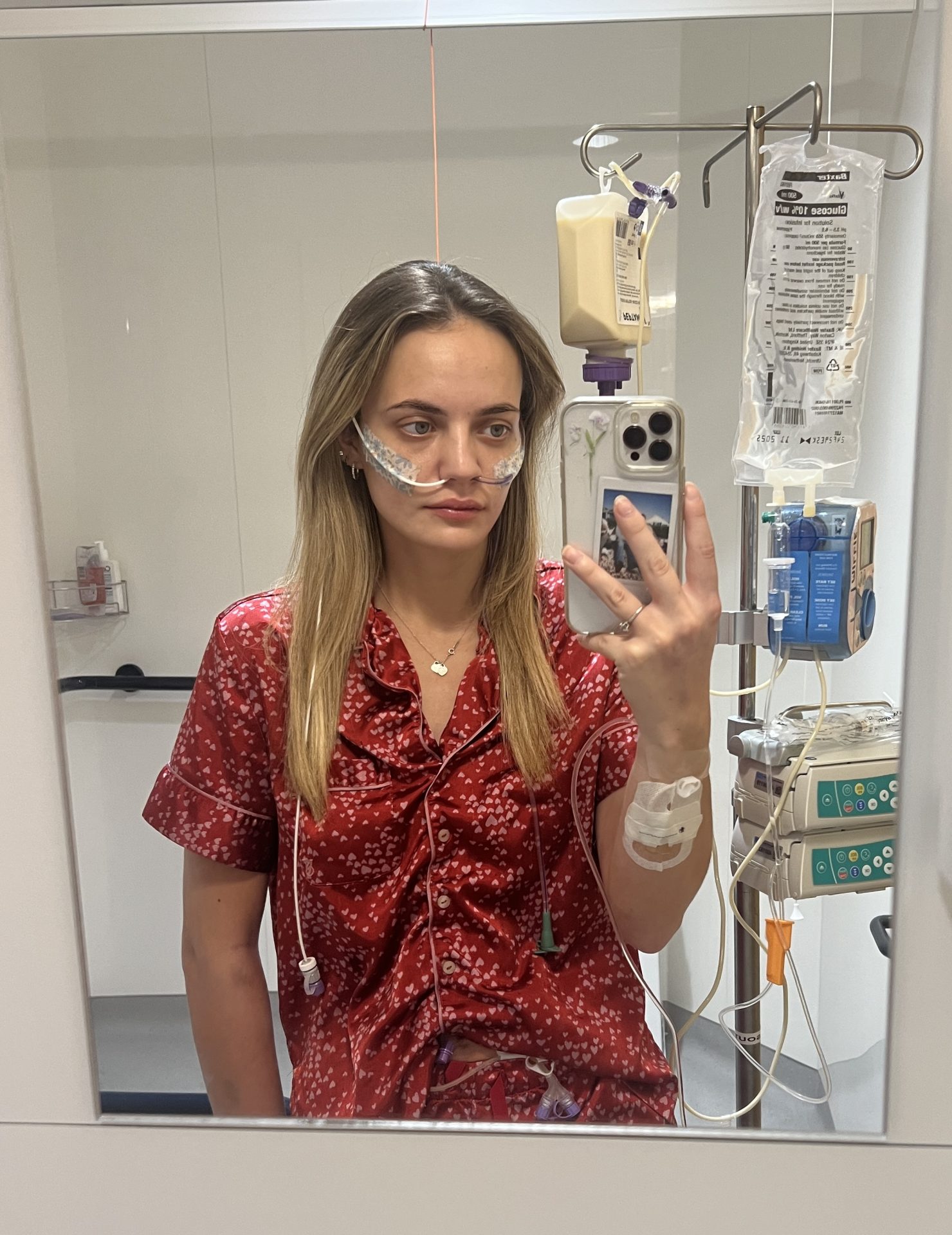
Symptoms that were once brushed off as small inconveniences became harder to ignore. My health declined, diagnoses followed, and eventually I found myself navigating life with multiple complex conditions, some of which including Ehlers-Danlos syndrome, PoTS, and gastroparesis.
Instead of dance studios, I was spending increasing amounts of time in hospitals, managing treatments, and learning how to live in a body that behaved very differently from the one I once knew.
The life I had planned seemed to disappear almost overnight.
At first, it felt like everything had been taken away. My independence, my career path, and the identity I had built around movement and performance all felt uncertain. Like many people living with rare conditions, I entered a world that was unfamiliar and often isolating.
Rare illness can be a lonely place.
When a condition is uncommon, it can sometimes feel like the rest of the world keeps moving while you are quietly trying to make sense of something very few people understand. Friends and family may care deeply, but the reality of living with a rare condition can still feel difficult to explain.
What now?
It took time to realise that although my life had changed, it had not lost its meaning.
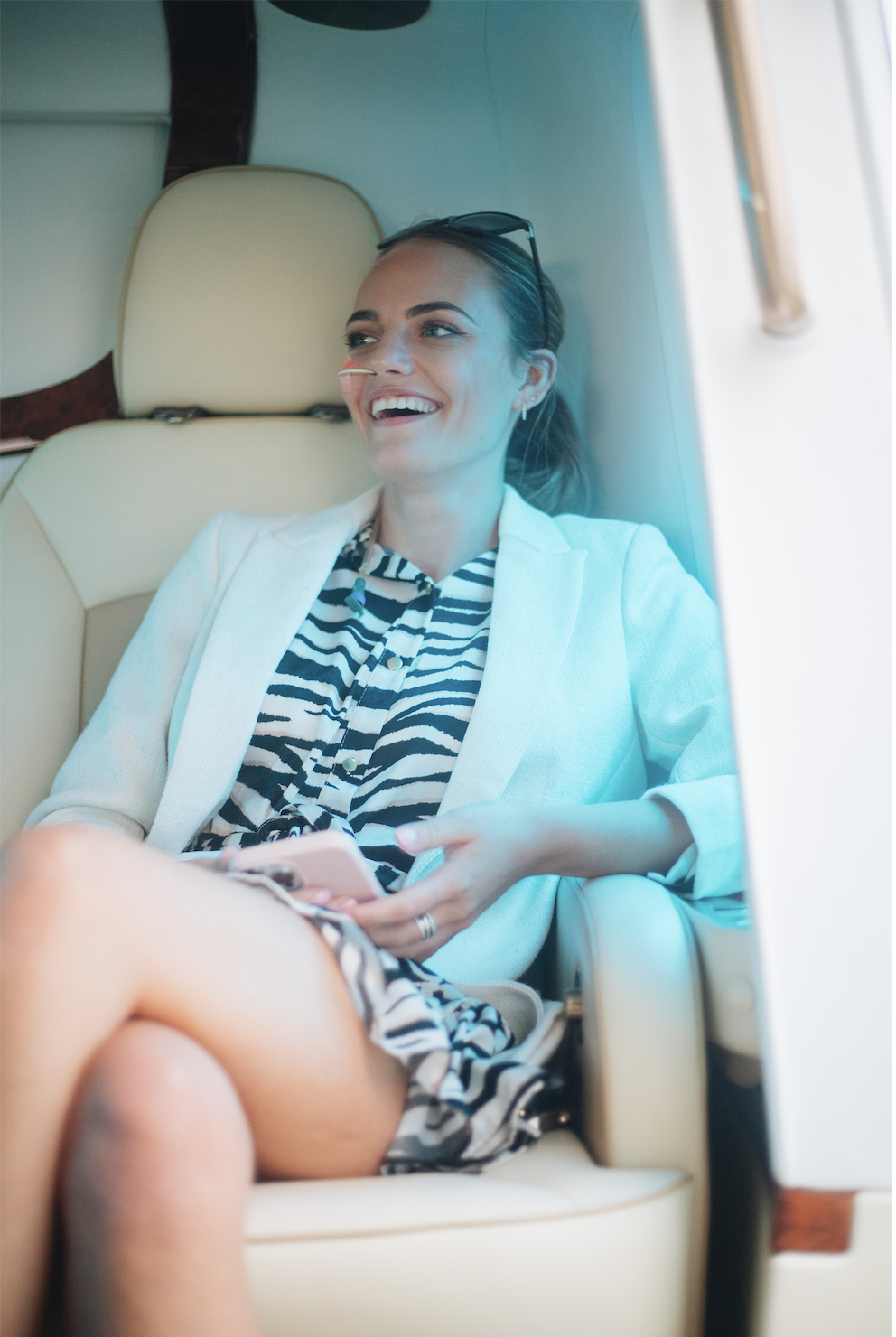
Slowly, through writing, advocacy, and connecting with others who understood the rare disease experience, something unexpected began to happen. The experiences that once felt like loss started to become something else entirely.
They became a source of purpose.
Living with rare illness gives you a perspective on life that many people never encounter. You learn patience in ways you never expected. You learn to celebrate small victories. You learn the importance of compassion, both for yourself and for others navigating their own difficult paths.
Over time, I began to realise that my story was not only about illness. It was about connection.
Sharing lived experience has a powerful ripple effect. When one person speaks honestly about their journey, it often gives someone else the courage to recognise their own.
Through my work today, I try to create spaces where people living with chronic and rare conditions feel seen, understood, and less alone. Whether that is through writing, advocacy, public speaking, or hosting support groups, my aim has always been simple: to help people realise that their story still matters.
Because it does.
One of the most remarkable things about the rare disease community is the strength that emerges when people come together. Individuals who may have never met otherwise form connections built on shared understanding and empathy. Those connections can transform isolation into belonging.
This sense of community has been one of the most healing parts of my journey.
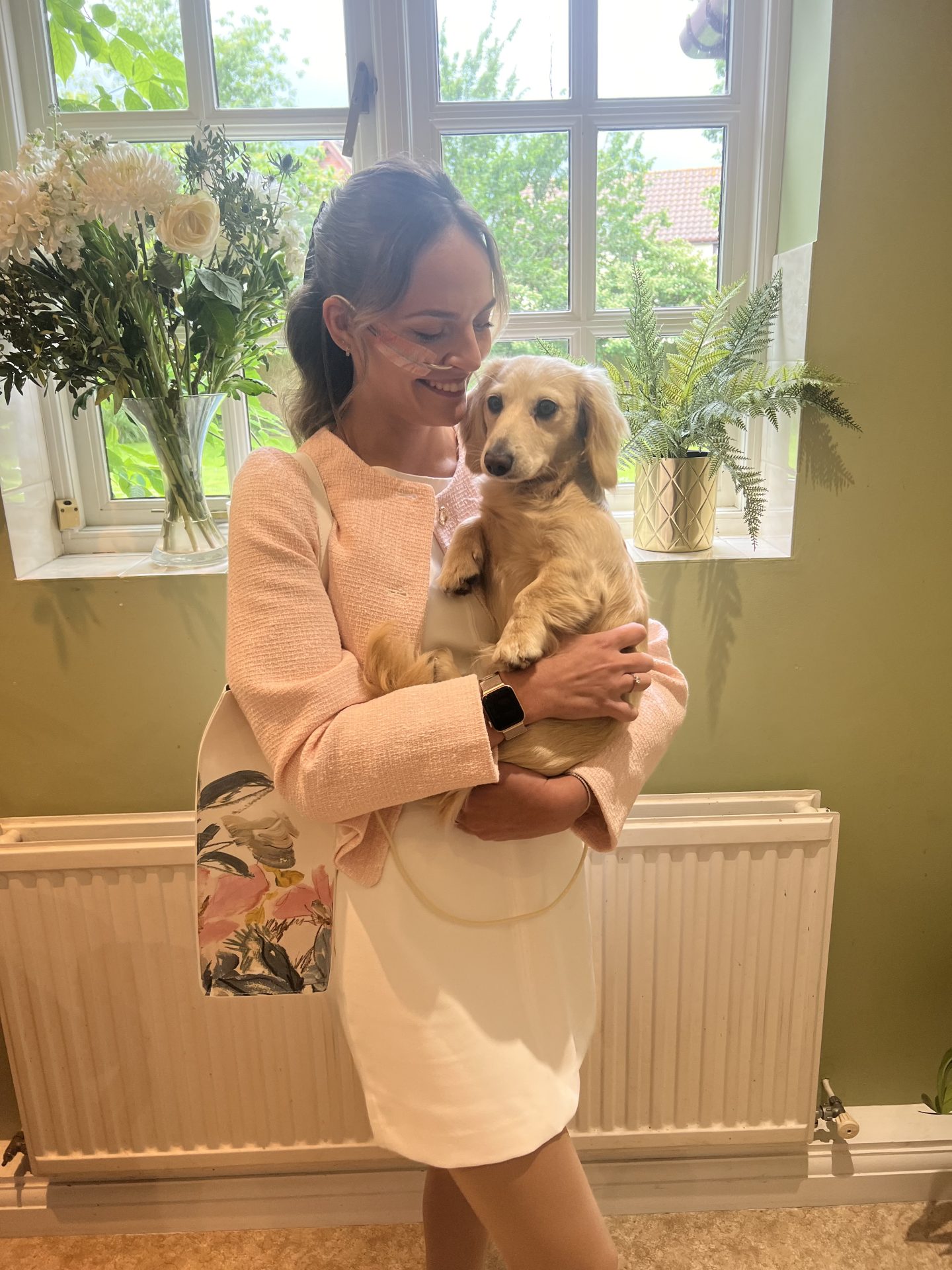
Many people assume advocacy begins with a grand plan. In reality, it often begins with something much smaller: one conversation, one message, or one person choosing to share their experience. For me, the turning point came when I realised that the things I had lived through could help others feel less alone.
Pain, when shared with compassion, can become something powerful.
That does not mean illness becomes easy. Living with complex health conditions continues to bring challenges, uncertainty, and days that require deep resilience. But purpose does not come from everything being perfect. Sometimes it comes from choosing to show up anyway.
Advocacy, in its simplest form, is about visibility.
It is about helping the world understand that rare conditions are not just statistics or medical terms. They are lived experiences, full of creativity, strength, humour, and hope.
When people share their stories, they help build bridges between patients, families, healthcare systems, and the wider public. Those stories spark awareness, encourage empathy, and remind others that rare lives are not defined only by limitations.
They are defined by possibility.
One of the lessons illness has taught me is that purpose does not always appear in the ways we expect. Sometimes the paths we never planned become the ones where we make the greatest difference. Looking back, the life I imagined when I was younger looks very different from the life I live today.
But different does not mean lesser.