Season 2: Talking in tandem
This time around we did things a little differently.
Every fortnight we released two episodes: one featured a person living with a rare disease and the other was someone working professionally in the disease area. Talking in tandem, is a chance for you to hear a wider range of stories and perspectives from across the rare community.
You can listen now on Spotify, Apple and Amazon.
This series was proudly hosted by Beacon for Rare Diseases – and our Season 1 host, Phillipa, is back!
Season 2 episodes

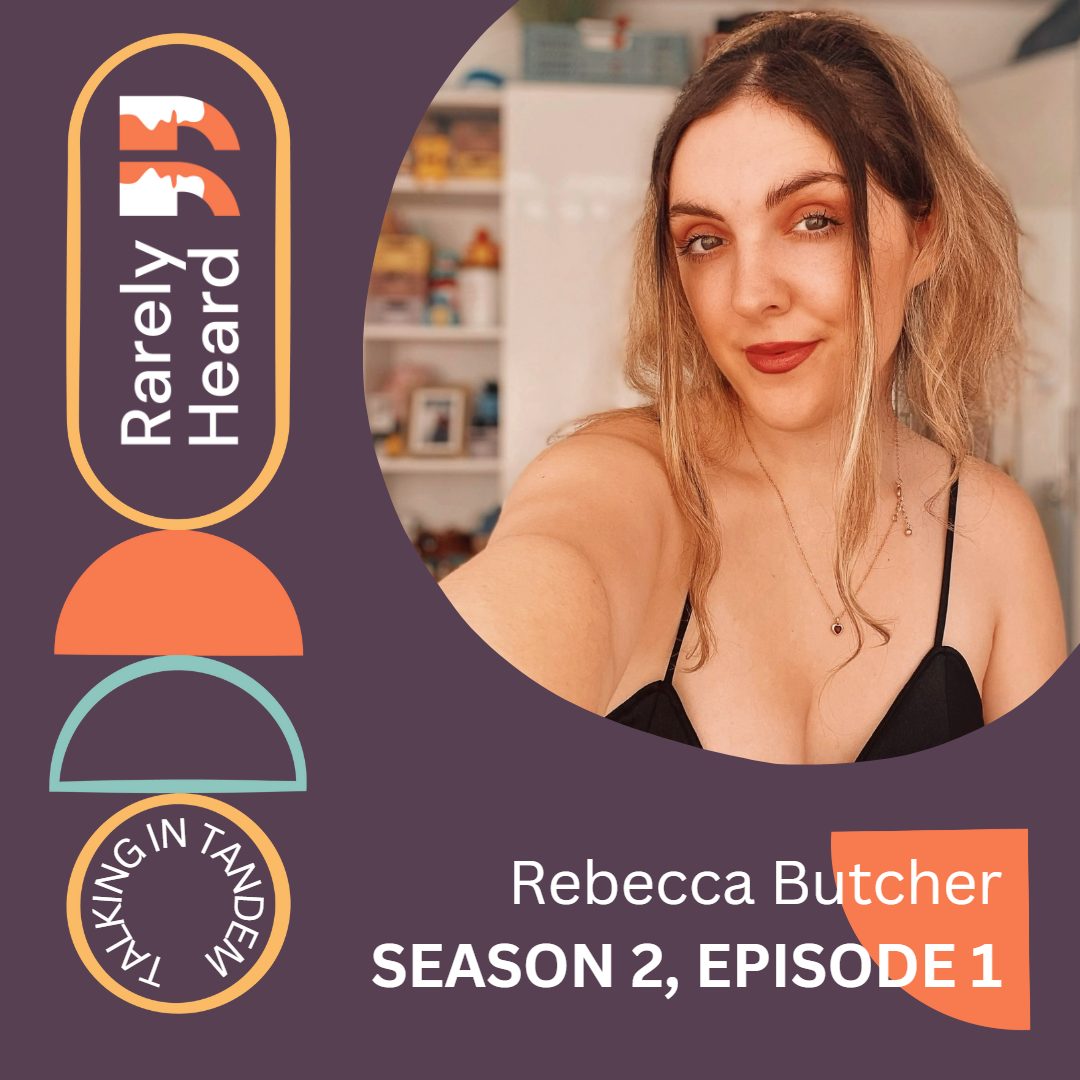
Season 2, Episode 1: Poland Syndrome: Bodies and boobs from adolenscence to advocacy
Rebecca Butcher was born with a rare condition called Poland Syndrome that caused one of her chest muscles to be deformed and therefore means that she only developed one breast.
We spoke about her experience with diagnosis and interacting with healthcare professionals; and how her belief that Poland Syndrome didn’t really affect women led her towards advocacy and connecting with a wider community of people like herself.
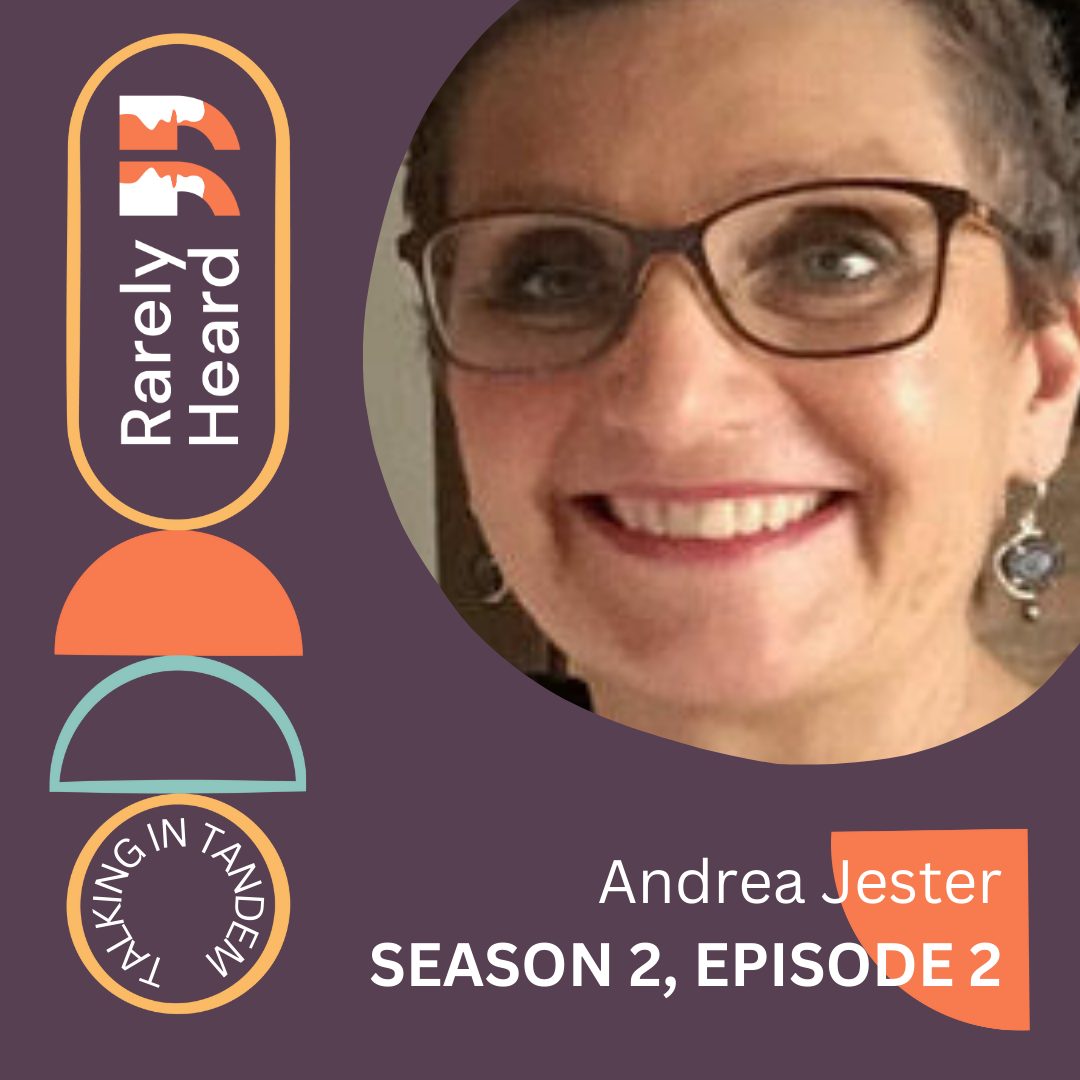
Season 2, Episode 2: Poland Syndrome: Surgeons as supporters: ‘much more than just fixing a problem with a scalpel’
Andrea Jester is the clinical lead at the hand and upper limb service at Birmingham Women and Children’s Hospital.
She qualified in 1994 and started at the prestigious plastic surgical unit at the BG Trauma Clinic in Ludwigshafen, Germany, training in all aspects of plastic and reconstructive surgery which cemented her desire to work with children. She is instrumental in the effective coordination of the Poland Syndrome Clinics at the hospital.
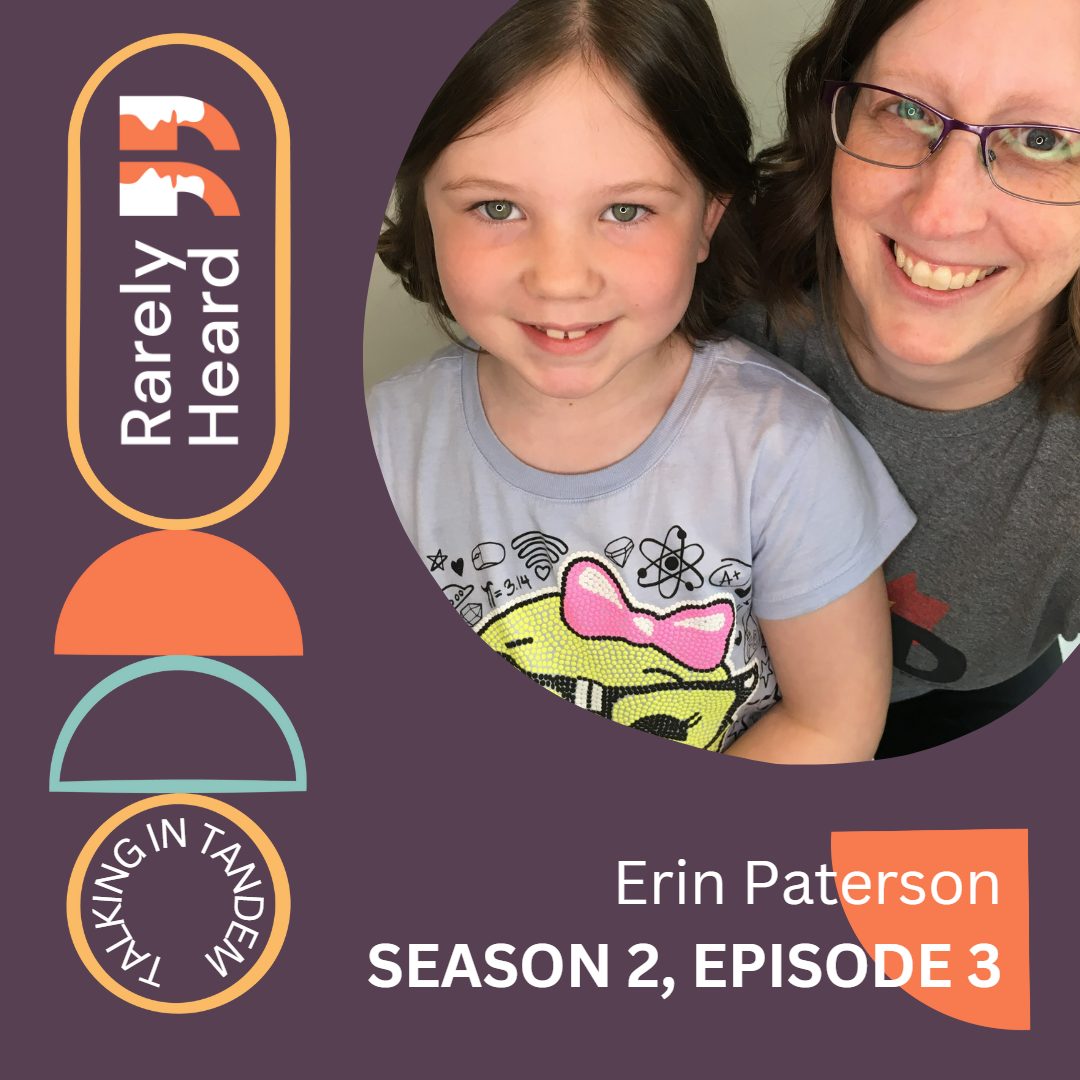
Season 2, Episode 3: Huntington’s Disease: Hard choices, pursuing motherhood and seeing the good side
Erin is a Canadian author of All Good Things: A Memoir About Genetic Testing, Infertility and One Woman’s Relentless Search for Happiness and a public speaker; she tested gene positive for Huntington’s Disease (HD). Shortly after she started suffering from depression, then received more crushing news, she was infertile. Despite those diagnoses she was determined to have a family and live a joyful life.
She is on a mission to positively impact other people’s lives by writing and speaking about genetic disease, depression, and infertility. She shows that it is possible to live a meaningful life even when faced with unexpected obstacles.
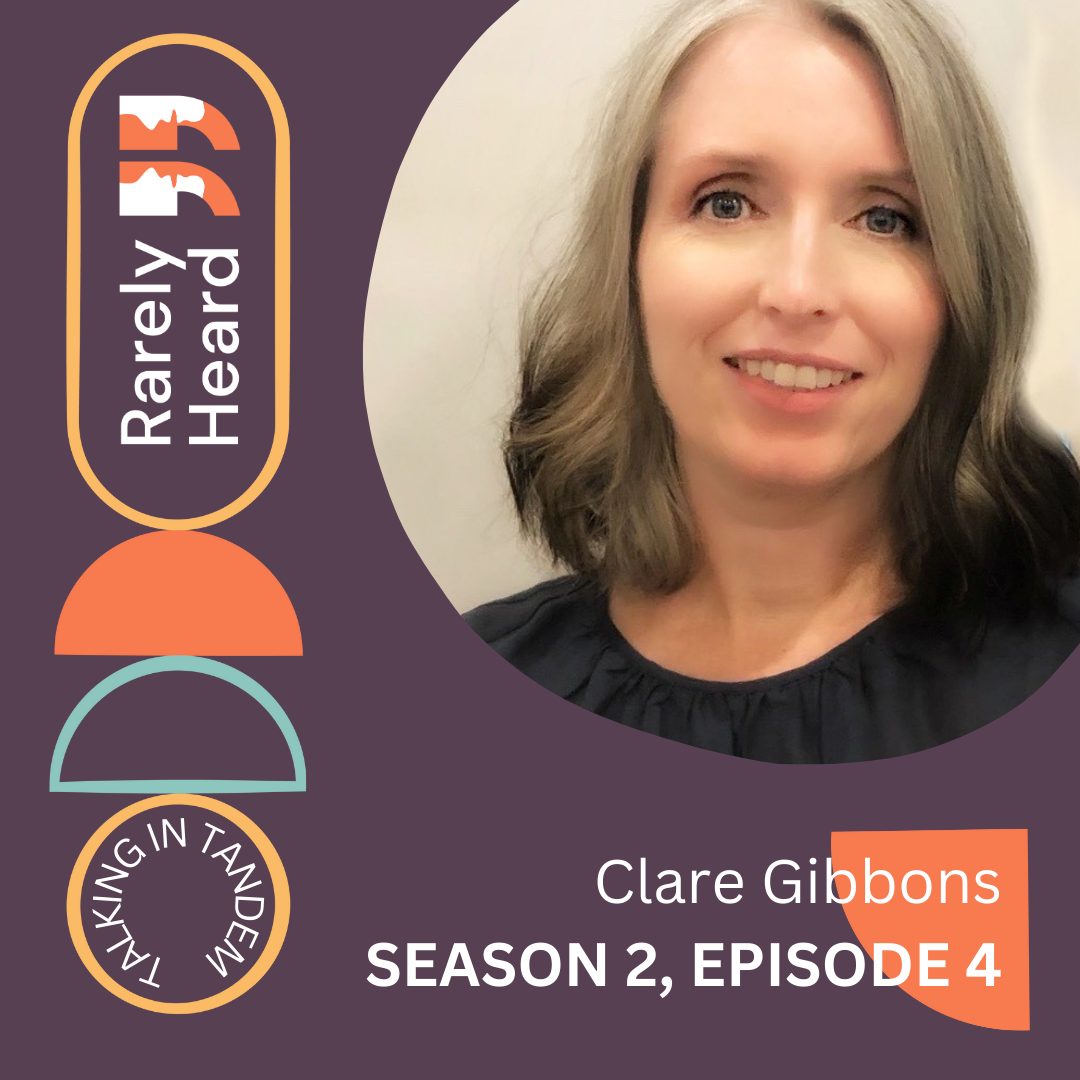
Season 2, Episode 4: Huntington’s Disease: The role of the genetic counsellor, helping people to make the choices that are right for them
Clare Gibbons received a Master of Science degree in Genetic Counselling from Sarah Lawrence College in 1996 and then joined the Genetics Program at North York General Hospital in Toronto where she currently works as the manager of Clinical Genetics.
Throughout her career, she has participated in the care of a wide variety of genetics patients and has been a member of the North York General Hospital Huntington Disease Multidisciplinary team for over 20 years.
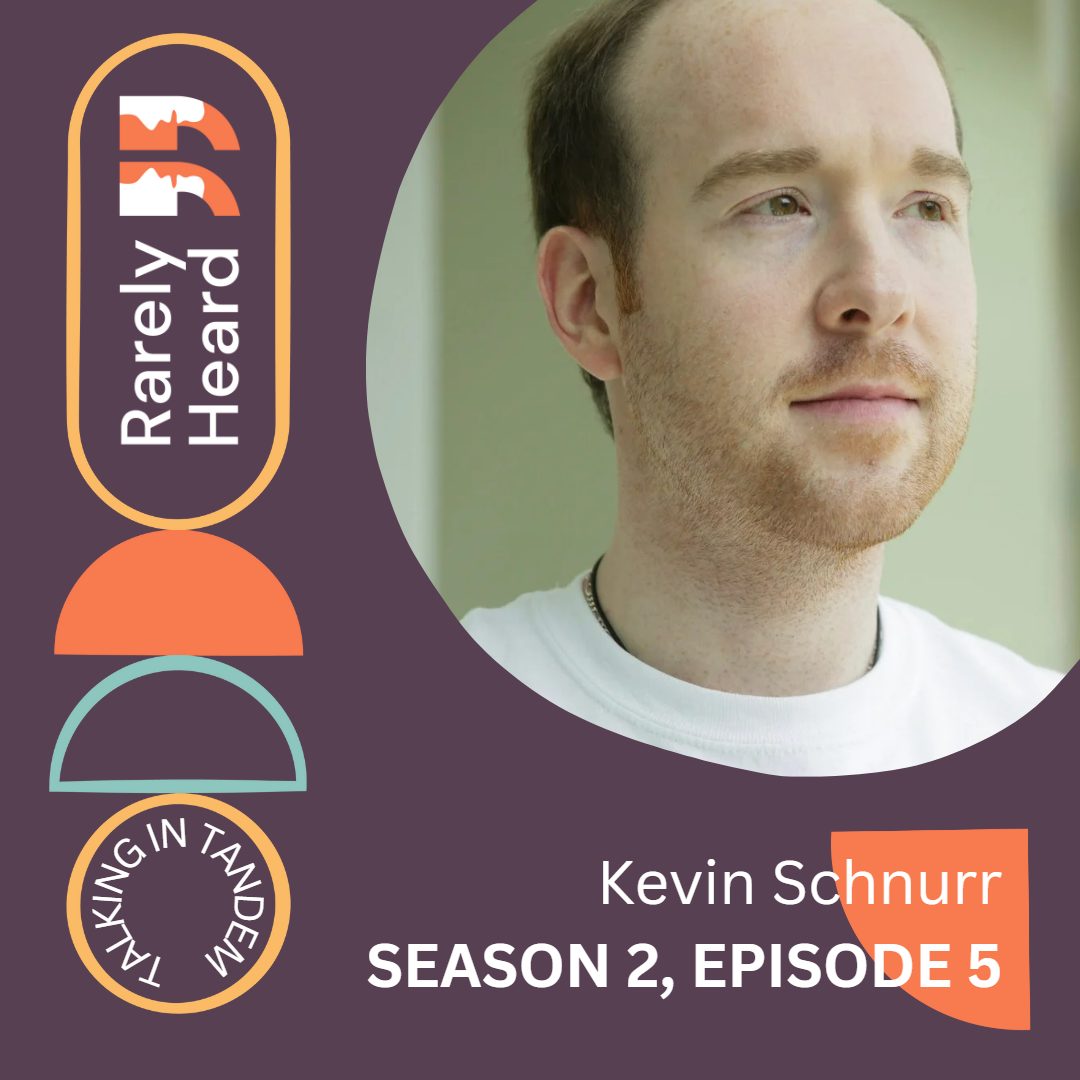
Season 2, Episode 5: Alport Syndrome: When your life changes overnight, finding hope, taking action and giving support
Kevin began volunteering for Alport Syndrome Foundation (ASF) in 2012 at age 26 after experiencing unexpected renal failure due to Alport syndrome. He was previously misdiagnosed with benign familial hematuria.
After two years on dialysis, he received a living donor transplant from a close friend in May 2014.
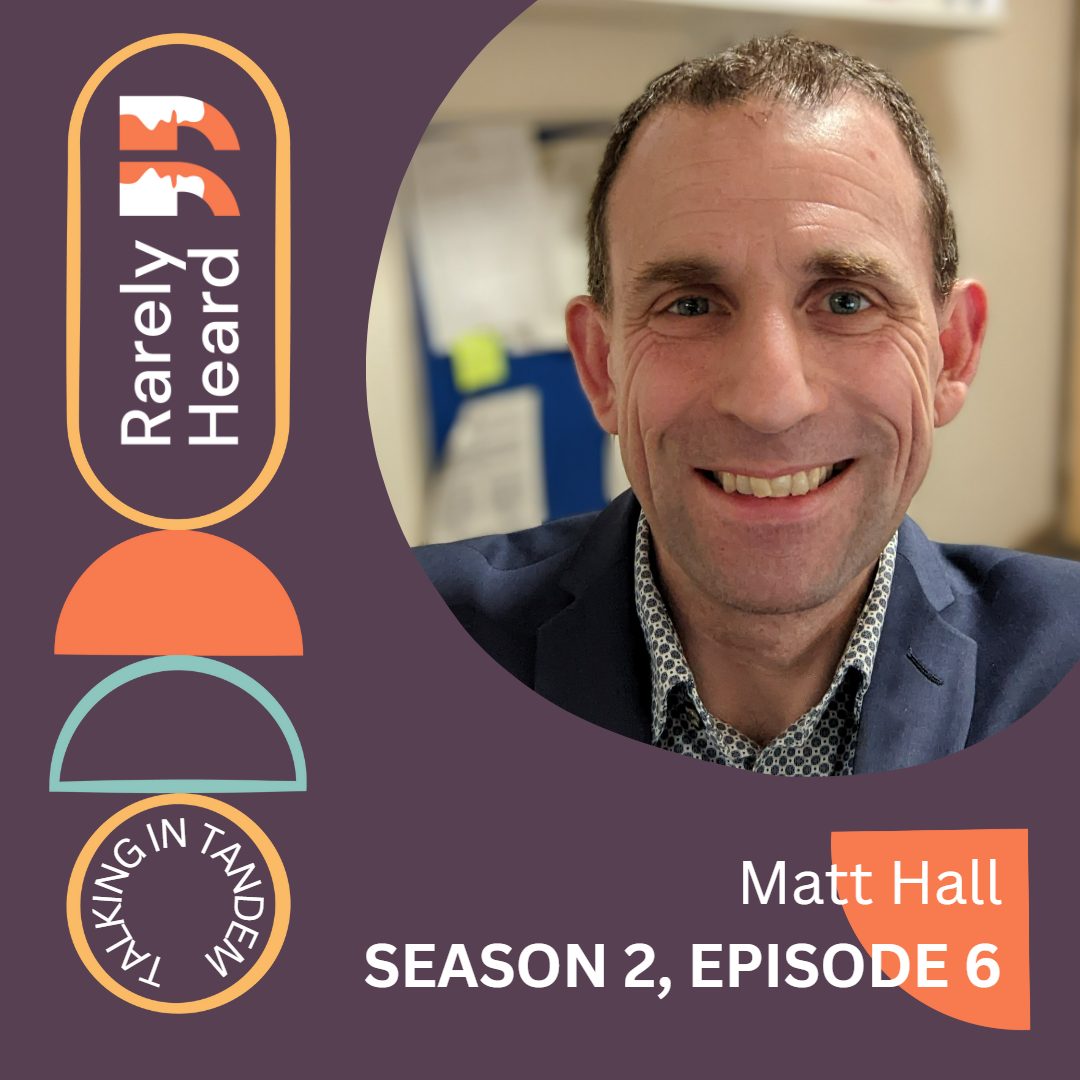
Season 2, Episode 6: Alport Syndrome and rare kidney diseases: Developing with the community and being involved as a clinician
Dr Matt Hall is a consultant kidney physician in Nottingham with an interest in rare and inherited kidney diseases, pregnancy and kidney disease, and clinical trial delivery.
He is the lead for the UK Pregnancy and CKD Rare Disease Group and works with colleagues nationally and internationally to accumulate data on clinical practices and outcomes for women with kidney disease during pregnancy.
He attended medical school in Cambridge and has worked as a consultant in Nottingham for 7 years having completed specialist training in Leicester, where he obtained his MD on Proteinuria in Pregnancy.
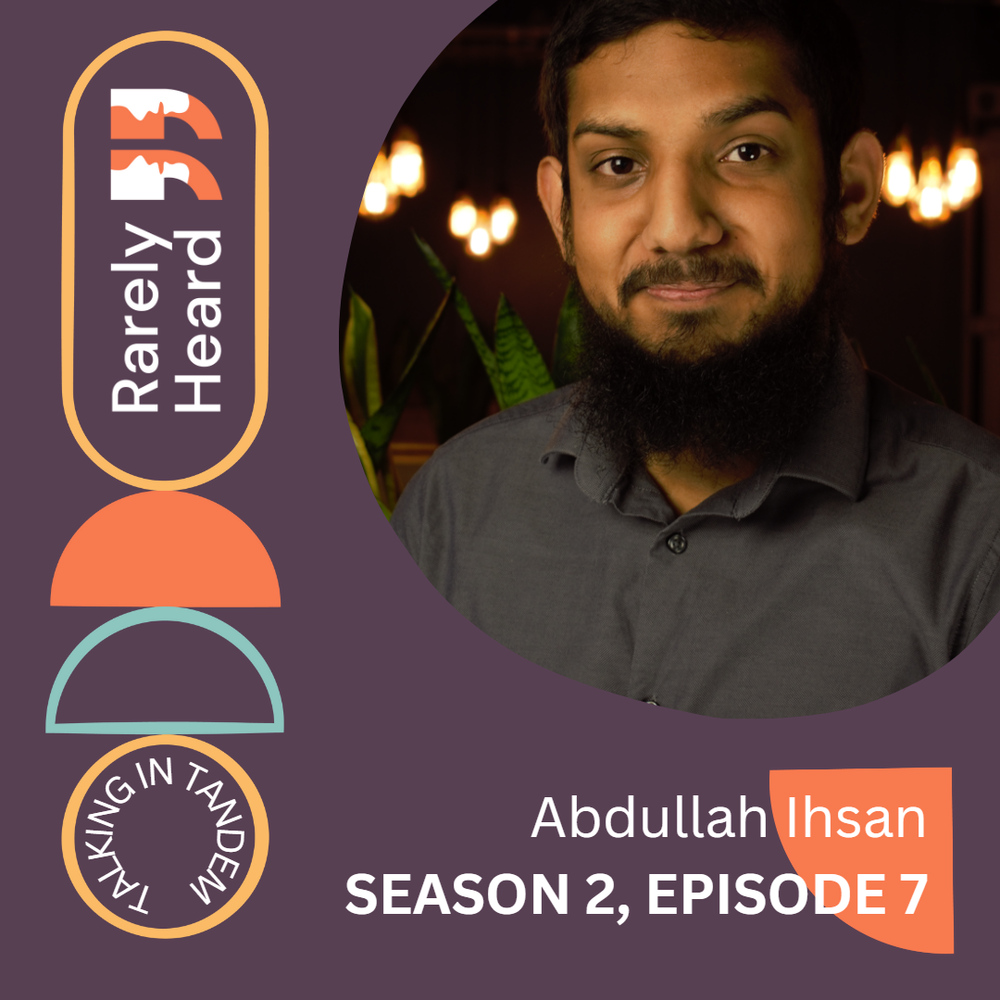
Season 2, Episode 7: Primary Ciliary Dyskinesia: Coordination of care, culltural considerations and finding community
Abdullah is a 24 year old from Berkshire who was born with the rare condition Primary Ciliary Dyskinesia.
He talks about his experience of diagnosis and care both in the UK and Pakistan and his subsequent passion about the importance of coordinated care regardless of postcode.
He also opens up about what it’s been like for him navigating conversations around genetics, relationships and family planning whilst coming from a South Asian and Muslim background.
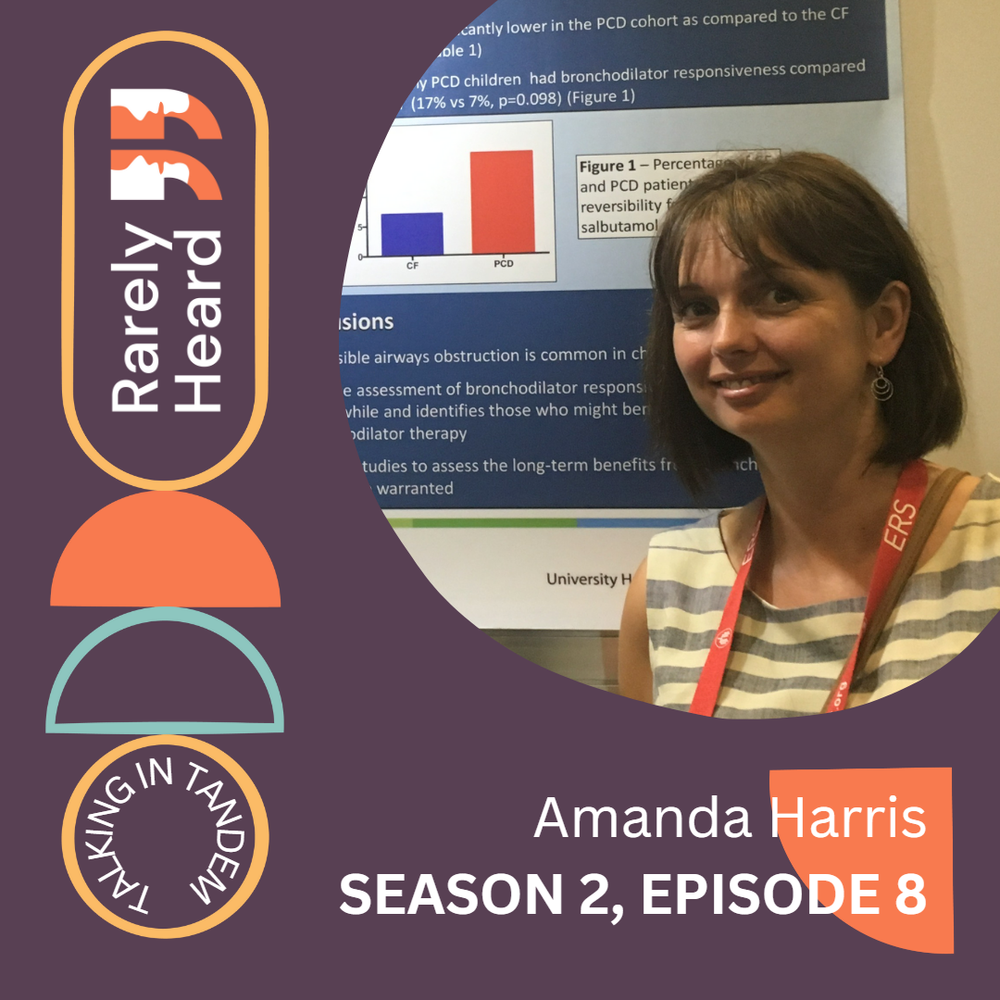
Season 2, Episode 8: Primary Ciliary Dyskinesia: The power of partnerships in PCD and across the rare community
Amanda is a PCD & Children’s Respiratory Nurse in Southampton. She is the nursing lead for the Southampton PCD Diagnostic Service (for adults and children) as well as the Southampton PCD Children’s Management Service.
She talks passionately about her role in diagnostics, supporting the patient and family through any and all challenges that come their way, the importance of a well-managed transition to adult care and the power of building partnerships in PCD and across the whole rare community.
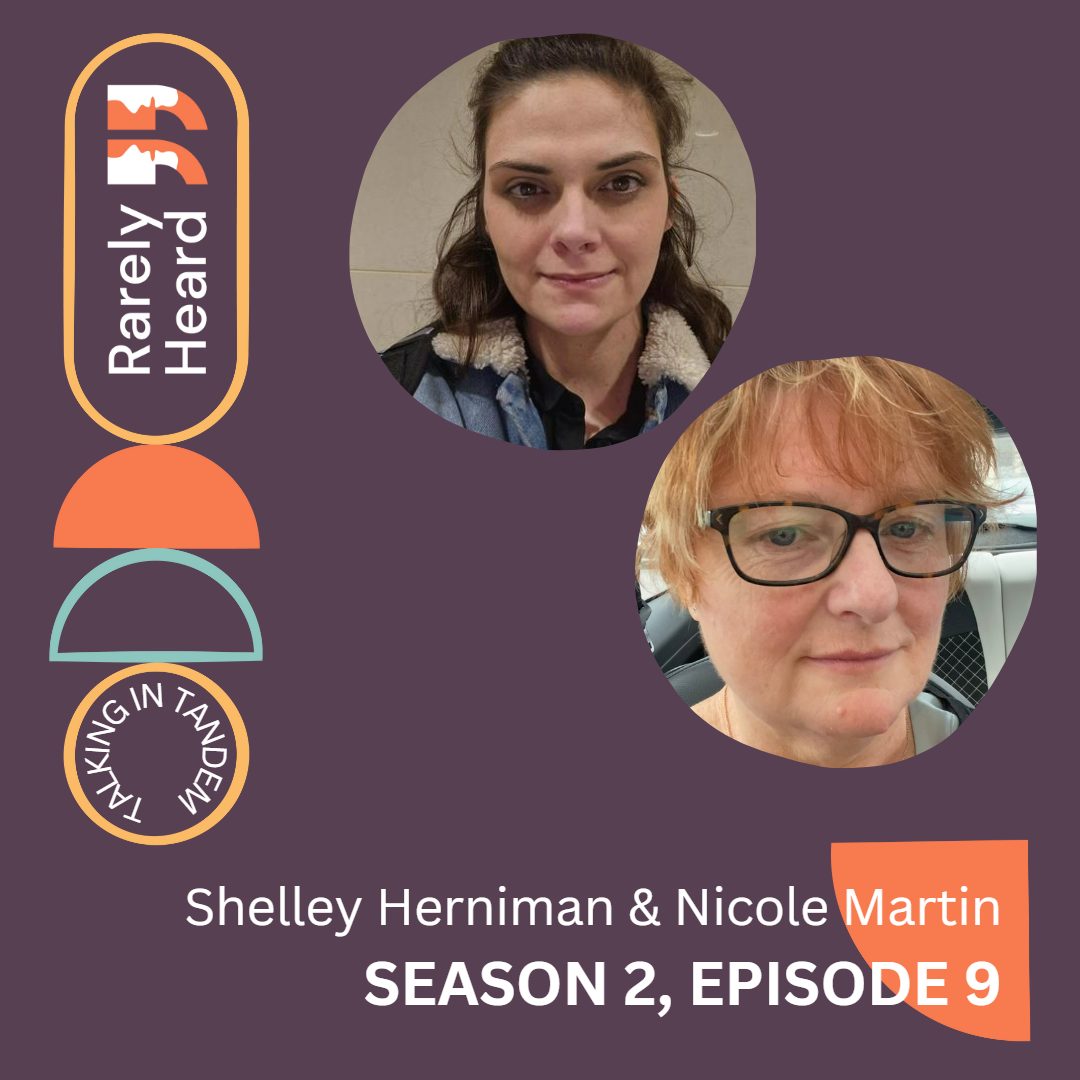
Season 2, Episode 9: Neurofibromatosis Type 1: Benign does not mean fine
In this episode, listeners have the privilege of hearing from two guests, Shelley Herniman and Nicole Martin.
Shelley is mother to Noah, a teenager who was diagnosed with an inoperable brain tumour in June 2021. Nicole was diagnosed with NF1 as a toddler and is the inspiration behind the charity, Childhood Tumour Trust.
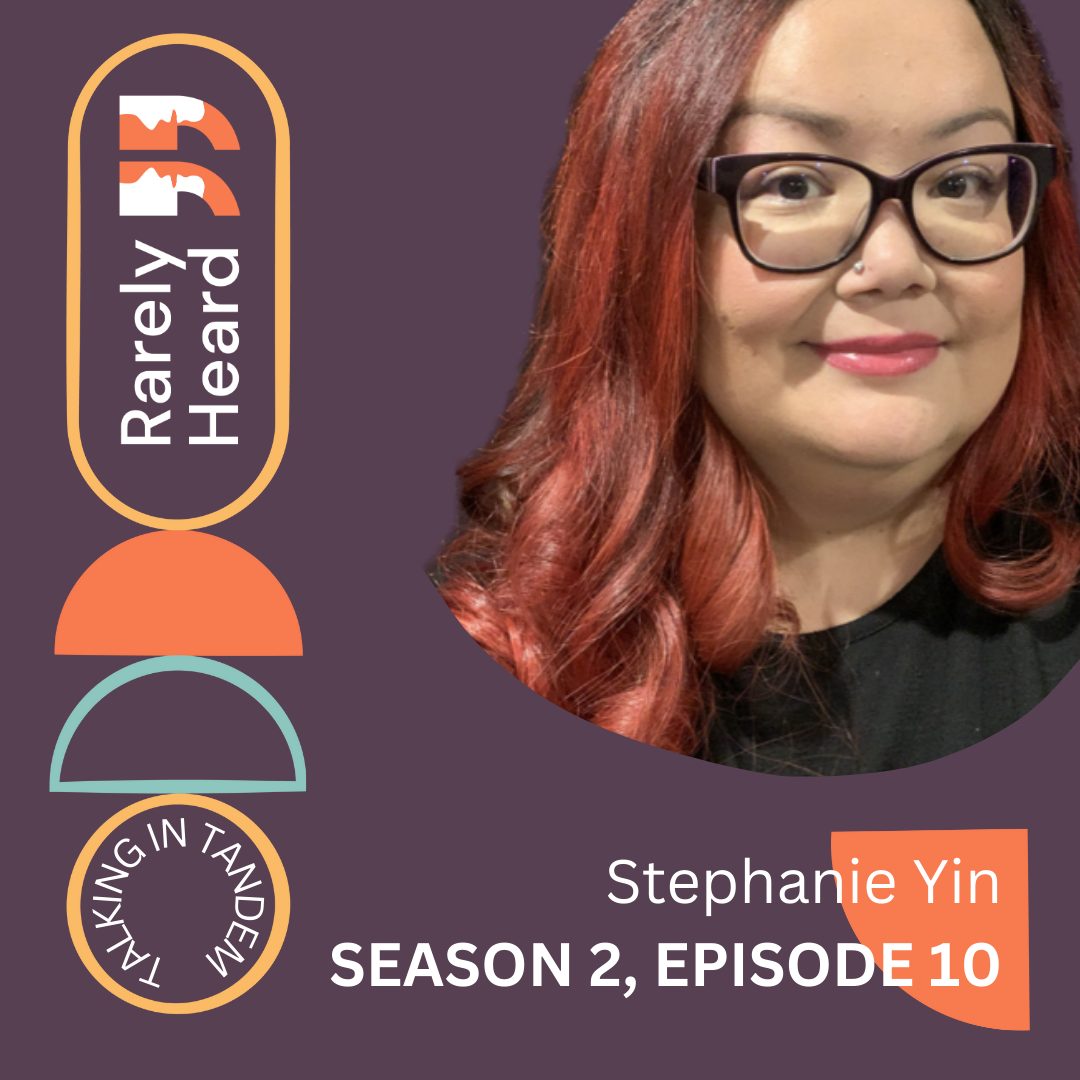
Season 2, Episode 10: There is no health without mental health
Stephanie is an accredited psychotherapist working with Rareminds and has been a specialist cancer counsellor in the NHS for over 7 years.
In addition to her clinical practice, Stephanie conducts research and provides training and consultancy on the experience of living with rare and chronic conditions. Informed by both a lived and professional experience, she is passionate about raising awareness and improving mental health services for the rare disease community.
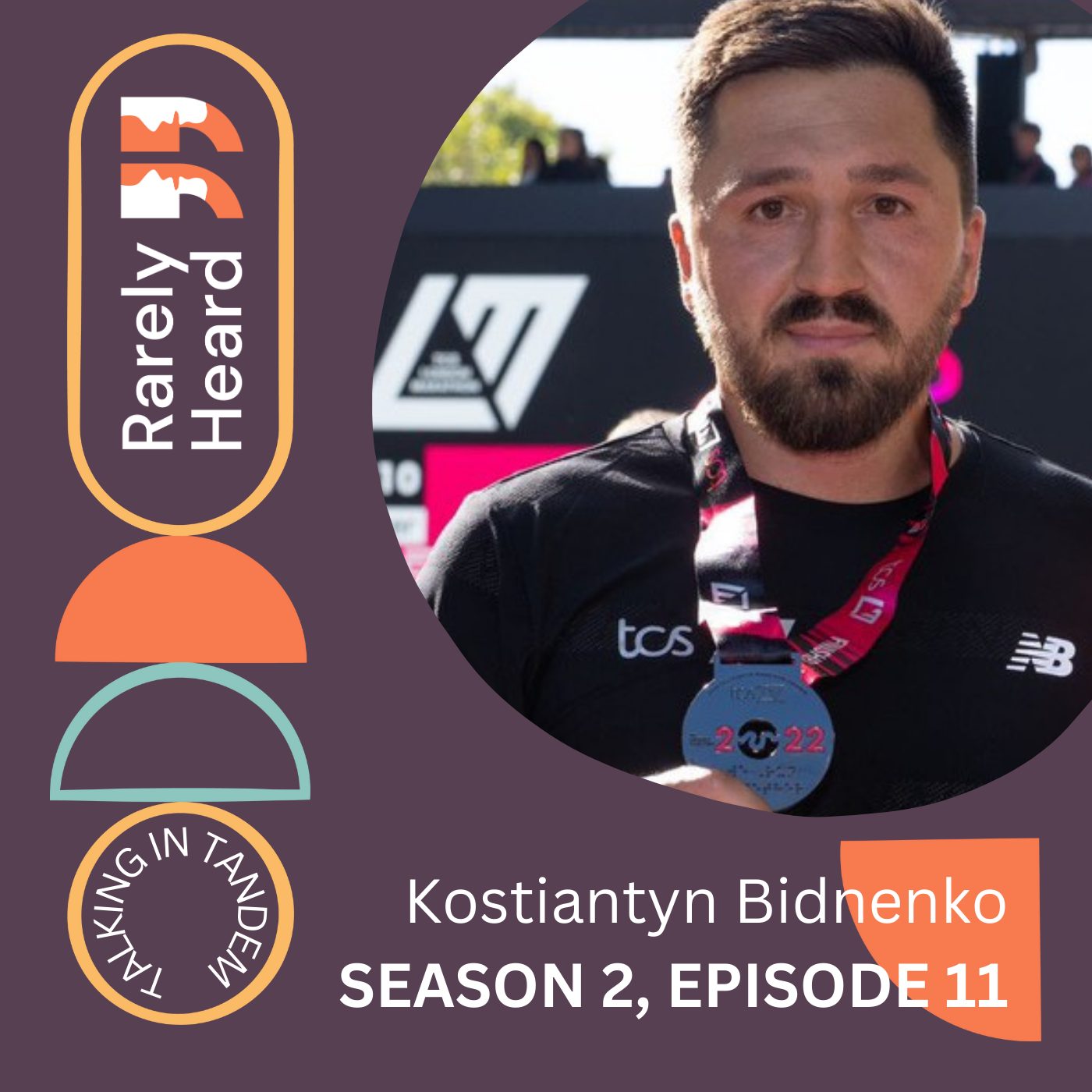
Season 2, Episode 11: Alkaptonuria: One man’s rare disease journey from Ukraine to the UK
Kostiantyn was forced to leave his home in Kyiv, Ukraine when bombing started on February 24th 2022. Unable to join the Ukrainian military due to the rare disease Alkaptonuria (AKU), Kostiantyn and his wife fled Ukraine, travelling across Europe and reaching the UK; where Kostiantyn was able to access Nitisinone to manage the disease at the National AKU Centre in Liverpool.
Kostiantyn speaks about his experience with AKU from diagnosis in Ukraine to accessing treatment in the UK. How he manages his love of sport and determination to reach his goals with the pain caused by AKU and reflects on grappling with the new imposed identity of ‘refugee.’
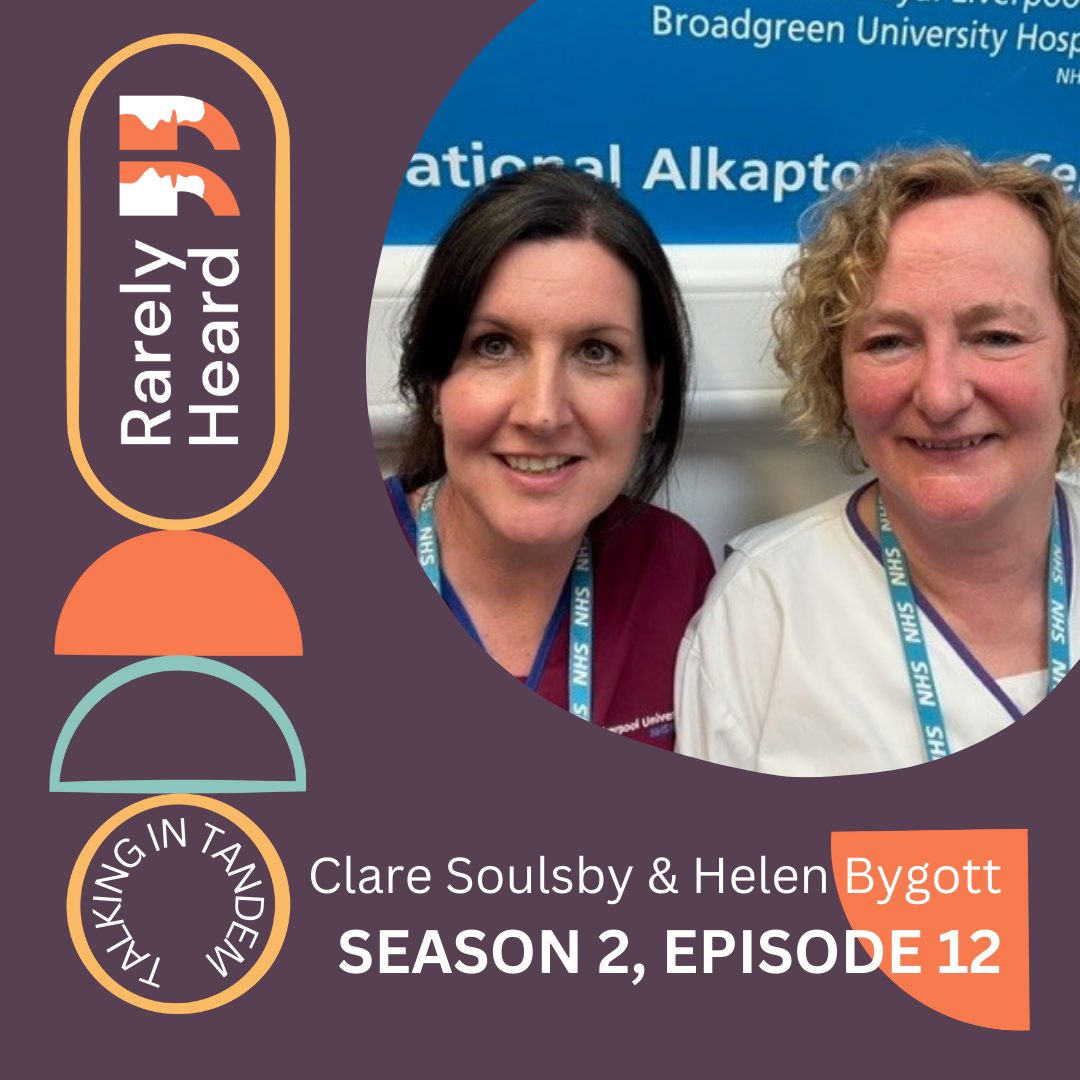
Season 2, Episode 12: Alkaptonuria: The value of working closely to empower patients
Alkaptonuria or AKU is an ultra rare genetic disease that can cause significant damage to the bones, cartilage and tissues of those affected. At the National Alkaptonuria Centre (NAC) in Liverpool, patients are able to access Nitisinone to treat their AKU but whilst doing so they are advised to follow a protein controlled diet.
Clare Soulsby and Helen Bygott work closely at the NAC in Liverpool as the senior dietician and nurse specialist.

Our Season 2 supporters

The Rarely Heard podcast is developed by Beacon for Rare Diseases. All content is created independently, and sponsors and supporters have no influence over editorial content.